Professional Training Programs for Workforce Success
Professional Training Programs play a pivotal role in shaping the skills and competencies of the workforce. These programs are designed to meet the evolving needs of industries, ensuring that both individuals and organizations can thrive in a competitive environment. From technical training to soft skills development, these programs cater to a wide array of learning objectives that align with contemporary business goals.
As organizations strive for excellence, engaging in professional training becomes essential. Not only do these programs enhance individual capabilities, but they also contribute to overall organizational effectiveness, creating a well-trained workforce ready to tackle industry challenges head-on.
Overview of Professional Training Programs

Source: marksmanshiptrainingcenter.com
Professional training programs are structured learning experiences designed to enhance an individual’s skills, knowledge, and competence in their respective fields. These programs play a pivotal role in workforce development by equipping employees with the necessary tools to adapt to evolving industry demands and promote continuous learning. As industries rapidly change due to technological advancements and shifting market needs, the significance of professional training becomes increasingly evident.Various types of training programs cater to a wide array of industries, each tailored to meet specific needs.
Common categories include:
Types of Professional Training Programs
Training programs can be classified into several key areas, each offering unique advantages:
- On-the-Job Training: This hands-on approach allows employees to learn in their actual work environment under the supervision of experienced colleagues. It is particularly effective for technical roles where practical skills are crucial.
- Online Courses and Webinars: With the rise of digital learning platforms, professionals can access a variety of courses from anywhere. This flexibility caters to diverse learning styles and schedules, making it an attractive option for many.
- Workshops and Seminars: Typically short-term and focused, these events allow participants to gain specialized knowledge in specific areas, often led by industry experts.
- Certification Programs: Many industries offer certifications that validate an individual’s expertise. These programs often require passing an exam and are recognized credentials that enhance a professional’s marketability.
- Leadership and Management Training: Designed for those in or aspiring to management roles, these programs focus on developing skills related to team management, strategic thinking, and decision-making.
Investing in professional training yields numerous benefits for both individuals and organizations. Engaged employees typically demonstrate higher productivity and job satisfaction, leading to lower turnover rates. Moreover, organizations that prioritize training often see improved performance outcomes and enhanced reputation in their industries.
“Professional training is not just an investment in the workforce; it’s an investment in the future of the organization.”
Organizations that implement comprehensive training programs frequently report increased innovation, as employees feel empowered to apply their skills creatively. Additionally, staying updated with industry trends and advancements through continuous training is essential for maintaining competitive advantage in today’s fast-paced business environment.
Key Components of Effective Training Programs
Effective training programs are crucial for the professional development of individuals and organizations alike. They foster skill enhancement, knowledge acquisition, and overall growth, ensuring that employees remain competitive in an ever-evolving job market. Key components of these programs can greatly influence their success and the extent to which participants benefit from them.
Essential Elements of Successful Training Programs
A robust training program consists of several essential elements that work together to create an impactful learning experience. These components ensure that training is not only informative but also engaging and applicable to real-world scenarios.
- Clear Objectives: Defining specific, measurable goals helps to align the training content with the needs of the participants and the organization.
- Structured Content: Well-organized materials allow for a logical flow of information, making it easier for learners to absorb and retain knowledge.
- Qualified Instructors: Experienced trainers bring expertise and insights that enhance the learning experience and provide real-world perspectives.
- Interactive Learning: Incorporating hands-on activities, discussions, and group work fosters engagement and encourages collaboration among participants.
- Resource Availability: Providing access to additional materials such as articles, videos, and case studies supports ongoing learning beyond the training sessions.
Methodologies Used in Professional Training
Various methodologies can be employed in professional training programs, each designed to cater to different learning styles and objectives. Understanding these methodologies allows organizations to choose the most effective approach for their specific needs.
- Classroom Training: Traditional face-to-face instruction remains a popular method, allowing for direct interaction between trainers and participants.
- Online Learning: E-learning platforms provide flexibility, enabling participants to engage with training materials at their own pace and convenience.
- Blended Learning: A combination of in-person and online training, this approach leverages the benefits of both methodologies to enhance learning effectiveness.
- On-the-job Training: Practical, real-world experience gained while performing a job role allows for immediate application of skills and knowledge.
- Mentorship Programs: Pairing less experienced employees with seasoned professionals promotes knowledge sharing and personal growth.
Importance of Assessment and Feedback Mechanisms
Assessment and feedback mechanisms play a crucial role in the effectiveness of training programs. They provide insights into participants’ understanding and help identify areas for improvement, thereby enhancing the overall learning experience.
- Evaluation of Learning Outcomes: Regular assessments allow trainers to measure the effectiveness of the training against predefined objectives.
- Immediate Feedback: Providing participants with timely feedback encourages reflection and helps them adjust their learning strategies accordingly.
- Continuous Improvement: Gathering feedback from participants can inform future training sessions, enabling organizations to adapt and improve their offerings based on real experiences.
- Performance Metrics: Analyzing performance data post-training can reveal the impact of the training on job performance and professional development.
- Encouragement of Self-Assessment: Promoting self-reflection encourages learners to take ownership of their progress and identify personal growth areas.
Designing a Professional Training Program
Creating a professional training program from scratch requires a systematic approach that ensures alignment with both organizational goals and individual learner needs. A well-designed training program not only enhances employee skills but also contributes significantly to overall business success. The process of designing a professional training program involves several key steps, each critical to the development of effective learning experiences.
These steps guide program creators in understanding their audience, establishing objectives, and delivering impactful content.
Steps to Design a Professional Training Program
The following steps Artikel the essential phases of designing a professional training program:
- Needs Assessment: Conduct a thorough analysis to identify the training needs of your organization. This can include surveys, interviews, and performance evaluations.
- Define Learning Objectives: Establish clear and measurable objectives that align with business goals. For example, “Increase sales team closing rates by 15% within six months.” This outcome directly contributes to revenue growth.
- Design Curriculum: Develop the training content and structure. This involves selecting appropriate materials, learning activities, and instructional methods that support the defined objectives.
- Implement Training: Roll out the training program using various delivery methods, such as workshops, e-learning modules, or on-the-job training, based on what best suits the audience.
- Evaluate Effectiveness: Assess the impact of the training through feedback, assessments, and performance metrics to determine if the objectives were met and identify areas for improvement.
Examples of Training Objectives and Outcomes, Professional Training Programs
Setting specific training objectives and desired outcomes is crucial for measuring success. Below are examples that demonstrate how training objectives can align with business goals:
- Objective: Enhance customer service skills among employees.
- Desired Outcome: Achieve a customer satisfaction score of 90% or higher.
- Objective: Improve team collaboration through effective communication.
- Desired Outcome: Increase project completion rates by 20% within one quarter.
These examples illustrate how training initiatives can support broader business objectives, fostering a culture of continuous improvement and accountability.
Incorporating Various Learning Styles
Recognizing that learners have diverse styles is crucial in designing effective training programs. The three primary learning styles—visual, auditory, and kinesthetic—should be taken into account to ensure a comprehensive learning experience.To cater to different learning preferences, consider the following strategies:
- Visual Learners: Incorporate infographics, charts, and videos into training materials to enhance understanding and retention.
- Auditory Learners: Utilize podcasts, group discussions, and verbal instructions to engage these learners effectively.
- Kinesthetic Learners: Provide hands-on activities, simulations, and role-playing exercises to reinforce learning through practical experience.
By integrating these diverse instructional methods, training programs can ensure greater engagement and effectiveness, ultimately leading to improved employee performance and satisfaction.
Evaluation and Improvement of Training Programs
Evaluating the effectiveness of training programs is crucial to ensure they meet the desired learning outcomes and provide value to participants and organizations alike. Continuous improvement based on these evaluations helps to refine training processes for better engagement and knowledge retention.To effectively evaluate training programs, a variety of methods can be employed. These methods facilitate understanding of how well participants are absorbing the material and applying it in their work environments.
Methods for Evaluating Training Effectiveness
Various techniques are available for assessing the efficacy of training initiatives, which can be categorized into qualitative and quantitative methods. Utilizing a combination of these approaches yields the most comprehensive insights.
- Pre-and Post-Training Assessments: Conducting assessments before and after the training allows organizations to measure the knowledge gained by participants clearly.
- Surveys and Questionnaires: Distributing surveys immediately after training and at intervals afterward can capture participant feedback on the content, delivery, and applicability.
- Observation: Monitoring participants during and after the training can provide direct evidence of behavior change and skill application in real work scenarios.
- Performance Metrics: Analyzing key performance indicators (KPIs) related to job performance pre- and post-training can show improvements linked to the training received.
Gathering Feedback from Participants and Stakeholders
Collecting feedback is essential for understanding the impact of training programs. Engaging both participants and stakeholders provides a well-rounded perspective on the training’s effectiveness.
- Focus Groups: Organizing focus groups with participants can yield in-depth insights, allowing for discussion around specific elements of the training.
- One-on-One Interviews: Conducting interviews provides an opportunity for participants to share their personal experiences and suggestions for improvement.
- Feedback Forms: Utilizing structured feedback forms can help in collecting data systematically, making it easier to analyze responses for trends and areas needing attention.
- Stakeholder Meetings: Regular check-ins with organizational stakeholders ensure alignment between training goals and business objectives, fostering ongoing improvements.
Challenges in Training Evaluations and Solutions
While evaluating training programs presents significant opportunities for improvement, several challenges may arise that could hinder the evaluation process.
- Resistance to Feedback: Some participants may be hesitant to provide honest feedback, fearing negative consequences. Creating a culture of openness and confidentiality can mitigate this concern.
- Difficulty in Measuring Soft Skills: Evaluating soft skills such as teamwork or communication can be subjective. Incorporating peer reviews or 360-degree feedback can provide a more rounded view of these skills.
- Limited Resources: Many organizations struggle with the allocation of time and money for comprehensive evaluations. Prioritizing key metrics and utilizing efficient tools can help streamline the evaluation process.
- Bias in Data Collection: Bias can arise from how data is collected or interpreted. Employing a diverse team to analyze feedback can reduce this risk and provide a balanced perspective.
Trends in Professional Training

Source: techfunnel.com
The landscape of professional training is continually evolving, shaped by numerous factors including technological advancements, changing workplace dynamics, and the need for lifelong learning. Understanding these trends is essential for organizations aiming to develop effective training programs that engage and empower their workforce.Technological advancements have revolutionized how training is delivered, making it more interactive, personalized, and accessible. The rise of digital platforms and tools has enabled organizations to implement a variety of training methodologies that cater to the diverse needs of learners.
Impact of Technological Advancements on Training Delivery Methods
The integration of technology into training programs has led to several key changes in the way training is designed and delivered. These changes not only enhance learning experiences but also improve outcomes for organizations.A notable trend is the use of Learning Management Systems (LMS) that allow for the centralization of training resources, progress tracking, and assessments. This results in a streamlined approach to training that can be tailored to individual learning paces.
Additionally, virtual and augmented reality tools are being deployed to create immersive learning experiences, particularly in fields that require hands-on training, such as healthcare and manufacturing. For example, a medical training program might utilize VR simulations to provide students with lifelike scenarios that improve their clinical skills without the risks involved in real-world practice.
Influence of Remote Learning on the Structure of Training Programs
Remote learning has fundamentally altered the structure of professional training programs, making them more flexible and accessible. Organizations are increasingly adopting hybrid training models that combine in-person and online learning components, allowing for a more tailored learning experience.Remote training enables organizations to reach a broader audience, breaking down geographical barriers and allowing employees to learn at their convenience. This shift has necessitated a reevaluation of training content and methods, focusing on engaging digital formats such as video modules, interactive quizzes, and gamified learning experiences.To effectively implement remote learning, organizations must also consider the following aspects:
- Enhanced Communication: Utilizing collaboration tools like Slack or Microsoft Teams to facilitate real-time discussions and support among learners.
- Regular Feedback Mechanisms: Incorporating surveys and feedback loops to assess learner satisfaction and training effectiveness continuously.
- Self-Paced Learning Options: Allowing learners to choose when and how they engage with training materials to enhance motivation and retention.
The evolution towards remote learning is not just a response to external circumstances but also reflects a fundamental shift in how training is perceived. Organizations are recognizing the value of providing ongoing support and development opportunities that cater to the needs of a diverse workforce, fostering an environment of continuous improvement.
The future of professional training lies in its adaptability to technological advancements and the changing needs of the workforce.
Case Studies of Successful Training Programs
Professional training programs can play a pivotal role in enhancing employee skills and organizational performance. Examining successful training initiatives across various sectors can provide valuable insights into effective strategies and methodologies. This section highlights notable case studies that illustrate successful professional training programs, detailing the approaches that led to their success and the lessons that can be gleaned for future initiatives.
Case Study: IBM’s Leadership Development Program
IBM has long been recognized for its commitment to continuous employee development, particularly through its Leadership Development Program. This program aims to cultivate a strong pipeline of future leaders by offering comprehensive training that combines practical experience with theoretical knowledge. Key strategies used in this program include:
- Personalized Learning Paths: Tailoring learning experiences to individual employee needs ensures that participants receive training that is relevant to their current roles and future aspirations.
- Mentorship Opportunities: Pairing participants with experienced leaders allows for knowledge transfer and real-world insights that are invaluable to emerging leaders.
- Global Collaboration: The program fosters cross-border teamwork, enabling participants to learn from diverse perspectives and cultures, which is essential in a global market.
The success of IBM’s program underscores the importance of aligning training with organizational goals and the need for a continuous feedback loop to refine the learning process.
Case Study: Starbucks Barista Training Program
Starbucks has built its brand around exceptional customer service, and the training program for baristas is integral to achieving that goal. The program is comprehensive, combining both product knowledge and customer interaction skills.Key strategies contributing to the success of the Starbucks training program include:
- Hands-On Training: Baristas undergo practical training that includes making drinks and understanding equipment, ensuring they are fully prepared to meet customer demands.
- Culture Immersion: New hires are introduced to Starbucks’ brand values and culture from day one, helping them to embody the company ethos in their interactions.
- Continuous Learning: Employees are encouraged to continually enhance their skills through ongoing training sessions, workshops, and feedback mechanisms.
The lessons from Starbucks highlight the necessity of embedding company culture within training programs and promoting an environment of lifelong learning.
Case Study: Google’s Project Oxygen
Google’s Project Oxygen was designed to improve managerial effectiveness through targeted training and development initiatives for its managers. The initiative was based on extensive research into the qualities of successful managers within the company.Key strategies employed in Project Oxygen include:
- Data-Driven Approach: Using employee feedback and performance data, Google identified specific managerial behaviors that lead to higher employee satisfaction and productivity.
- Manager Training Workshops: Google developed workshops that focus on the identified behaviors, providing managers with tools and strategies to enhance their leadership skills.
- Regular Performance Reviews: Continuous evaluation of managerial effectiveness ensures that managers are held accountable for their development and that the training program remains relevant.
This case exemplifies the effectiveness of leveraging data to inform training and the importance of accountability in managerial development.
Case Study: General Electric’s (GE) Management Development Program
General Electric has long been recognized for its robust Management Development Program, often regarded as a benchmark in corporate training. This approach focuses on grooming high-potential employees for leadership roles.Key strategies that have led to the success of GE’s program include:
- Rotational Assignments: Employees are provided with diverse experiences across different business units, enhancing their understanding of the organization as a whole.
- Leadership Exposure: Participants work closely with senior leaders, gaining insights and mentorship that are critical for their growth.
- Challenging Projects: Engaging participants in high-stakes projects promotes real-world problem-solving and leadership skills.
The insights from GE’s Management Development Program emphasize the importance of experiential learning and exposure to diverse challenges in cultivating effective leaders.
Case Study: Deloitte University
Deloitte University serves as a unique training facility designed to immerse employees in the company’s culture while providing cutting-edge training in various areas, from technical skills to leadership development.Key strategies that contribute to the success of Deloitte University include:
- Immersive Learning Environment: The physical campus is designed to foster collaboration and creativity, enabling employees to engage deeply with training content.
- Customized Programs: Training is tailored to meet the needs of different business units, ensuring relevancy and applicability.
- Focus on Innovation: Emphasizing the importance of staying ahead, programs are regularly updated to include the latest industry trends and technologies.
Deloitte University illustrates how a dedicated space for learning can enhance the training experience and foster a culture of innovation.
Successful training programs are characterized by their alignment with organizational objectives, adaptability to individual needs, and a focus on continuous improvement.
The Role of Certification and Accreditation
In the realm of professional training programs, certification and accreditation play critical roles in establishing standards, validating skills, and enhancing the credibility of training initiatives. These processes not only signify that a program meets specific benchmarks of quality but also help professionals in their career advancement by providing recognized credentials.Certification and accreditation serve as benchmarks for quality and assurance in professional training programs.
Certification typically involves the validation of an individual’s competencies in a specific area, while accreditation pertains to the validation of a training program or institution as a whole. Both are essential for ensuring that training programs deliver relevant, high-quality content that meets industry standards.
Importance of Certification and Accreditation
The significance of certification and accreditation in professional training programs can be illustrated through various key points:
- Credibility: Accredited programs lend credibility to the training received, assuring employers of the quality of education.
- Standardization: Accreditation ensures that programs meet established industry standards, providing a uniform level of training across different institutions.
- Career Advancement: Certifications often open doors for promotions and job opportunities, as employers recognize them as proof of professional competence.
- Continuous Professional Development: Many professions require ongoing education, and accredited programs help fulfill these requirements effectively.
- Networking Opportunities: Being part of an accredited program can provide access to professional networks and resources beneficial for career growth.
Obtaining certifications related to training programs typically involves a series of structured steps. These may include:
Process of Obtaining Certifications
The process for securing certification generally includes the following stages:
- Research: Identify the relevant certification bodies and understand their requirements.
- Preparation: Complete necessary training or education that meets the certification criteria.
- Application: Submit an application along with required documentation, such as proof of training.
- Examination: Pass an examination that assesses knowledge and skills relevant to the certification.
- Continuing Education: Maintain certification through ongoing education or re-certification processes as required by the certifying body.
Accredited vs. Non-Accredited Training Programs
Understanding the differences between accredited and non-accredited training programs can significantly influence a professional’s training choices. Accredited programs provide exclusive benefits:
- Quality Assurance: Accredited programs undergo rigorous evaluation processes, ensuring they meet industry standards.
- Employer Recognition: Many employers prefer candidates who have completed accredited programs, viewing them as more qualified.
- Funding Opportunities: Accreditation can open doors to financial aid and scholarships that are not available for non-accredited programs.
- Comprehensive Curriculum: Accredited programs typically offer a more robust curriculum that covers essential skills and knowledge areas.
- Global Recognition: Accreditation by recognized bodies often ensures that qualifications are respected internationally, benefiting those looking to work abroad.
In summary, certification and accreditation are pivotal in enhancing the quality, credibility, and effectiveness of professional training programs. They not only serve as a testament to the quality of training received but also significantly impact the professional landscape for individuals seeking growth and advancement in their careers.
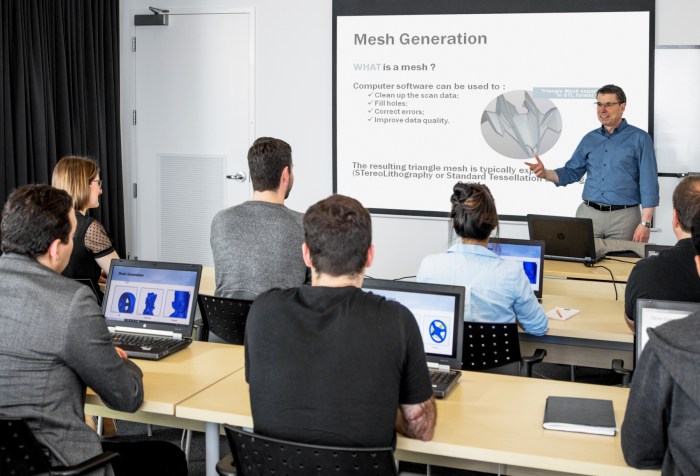
Challenges in Professional Training Implementation: Professional Training Programs

Source: 3dscanningservices.net
Implementing professional training programs often presents a myriad of challenges that can hinder their effectiveness and impact. Organizations must navigate these obstacles to ensure that their training initiatives achieve the desired outcomes and foster a culture of continuous learning. Identifying these challenges is the first step toward developing effective strategies for overcoming them.One of the primary challenges organizations face is resistance to change among employees.
When new training programs are introduced, some staff may feel threatened by new approaches or skeptical about their effectiveness. Additionally, logistical issues such as scheduling conflicts, budget constraints, and inadequate resources can hinder the execution of training programs. These hurdles can lead to poor participation rates and ultimately diminish the training’s overall impact.
Common Challenges in Training Implementation
Several prevalent issues can arise during the implementation of professional training programs. Understanding these challenges can help organizations prepare and adapt effectively.
- Employee Resistance: Many employees may be reluctant to adopt new skills or processes, fearing that they will disrupt their routine or question their current capabilities.
- Resource Limitations: Budget constraints can limit the ability to hire trainers or purchase materials, leading to a subpar training experience.
- Scheduling Conflicts: Finding suitable times for training sessions that accommodate all employees can be challenging, especially in organizations with diverse schedules.
- Inadequate Needs Assessment: Failing to accurately assess the training needs of employees can result in programs that do not address the actual skills gaps.
- Insufficient Management Support: Lack of encouragement or involvement from leadership can signal to employees that training is not a priority, reducing their motivation to participate.
Strategies to Overcome Implementation Barriers
Addressing challenges in training implementation requires proactive strategies. Organizations can employ various solutions to enhance their training programs’ effectiveness and acceptance.
- Engagement Initiatives: Foster an inclusive culture by involving employees in the training design process. This input increases buy-in and reduces resistance.
- Flexible Training Formats: Explore various formats such as online modules, workshops, and blended learning to accommodate different learning styles and schedules.
- Clear Communication: Communicate the benefits and objectives of the training effectively to all employees, emphasizing how it aligns with personal and organizational goals.
- Allocate Resources Wisely: Ensure sufficient funding and resources are allocated to training initiatives for higher-quality materials and experienced facilitators.
- Leadership Advocacy: Secure commitment from senior management to champion training initiatives and demonstrate their importance through active participation.
The Role of Organizational Culture in Training Success
Organizational culture significantly influences the success of training initiatives. A culture that values continuous learning and development encourages employees to engage fully in training programs. A supportive culture fosters an environment where employees feel safe to explore new ideas and make mistakes. When organizations promote values such as collaboration, transparency, and respect for diverse perspectives, employees are more likely to embrace change and view training as an opportunity for professional growth rather than a task to endure.
“A strong commitment to learning and development at every organizational level creates an environment conducive to successful training outcomes.”
In addition, recognizing and rewarding employee development efforts can enhance motivation and commitment to training programs. Creating a feedback loop where employees can share their training experiences helps organizations continuously improve their programs and adapt to changing needs.By understanding and addressing the challenges of professional training implementation, organizations can cultivate a culture that not only accepts change but thrives on it, ultimately leading to more effective training outcomes and a more skilled workforce.
Concluding Remarks
In summary, professional training programs are indispensable for fostering a skilled and adaptable workforce. By continually evolving to incorporate new methodologies and technologies, these programs not only address current industry demands but also prepare participants for future challenges. As we look ahead, the commitment to professional development will undoubtedly remain a cornerstone of success for both individuals and organizations alike.
User Queries
What are the benefits of professional training programs?
Professional training programs enhance skills, improve job performance, and increase employee satisfaction, leading to higher retention rates.
How long do professional training programs typically last?
Duration varies widely but can range from a few hours to several months, depending on the program and learning objectives.
Are online training programs as effective as in-person training?
Online training can be equally effective, especially with interactive elements and engaging content that accommodates different learning styles.
How can organizations measure the success of their training programs?
Success can be measured through assessments, feedback from participants, and observing improvements in performance and productivity.
What role does certification play in professional training?
Certification provides recognition of skills acquired and may enhance job prospects and career advancement opportunities for participants.