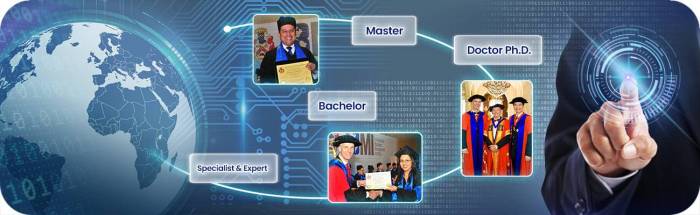
Online PhD Programs A Comprehensive Guide
Online PhD Programs sets the stage for this exciting exploration into the world of advanced education, where traditional boundaries dissolve in favor of flexibility and accessibility. With the rise of online learning, pursuing a PhD has become increasingly popular, allowing students to balance their studies with personal and professional commitments. This guide delves into what online PhD programs are, their benefits and challenges, and how they differ from traditional programs.
As we navigate through the various types of online PhD programs, admission requirements, curriculum structures, and more, you’ll discover a wealth of information tailored to help you make informed decisions about your academic journey.
Introduction to Online PhD Programs
Online PhD programs have emerged as a flexible alternative to traditional doctoral studies, allowing students to pursue advanced research and education remotely. Unlike conventional programs that typically require on-campus attendance, online PhD programs offer the same rigorous curriculum and academic standards while accommodating the needs of working professionals and those with other commitments. This evolution in higher education has contributed to a significant increase in enrollment numbers in recent years.
The rising popularity of online PhD programs can be attributed to several factors, including technological advancements, the growing acceptance of online education by academic institutions, and the need for flexibility among students. As more individuals seek to further their education without compromising their careers or personal lives, online PhD programs provide an attractive solution. However, pursuing an online PhD is not without its challenges.
Students must navigate issues related to self-discipline, time management, and the potential feeling of isolation from peers and faculty.
Benefits of Online PhD Programs
Online PhD programs present numerous advantages that make them appealing to prospective students. Understanding these benefits can help individuals make informed decisions about their educational paths. Key benefits include:
- Flexibility: Students can study at their own pace and create a schedule that fits their lifestyle, allowing for a better work-life balance.
- Accessibility: Geographical barriers are eliminated, giving students access to programs from institutions around the world without the need for relocation.
- Diverse Learning Resources: Online platforms often provide a wealth of resources, including recorded lectures, e-books, and access to online databases.
- Networking Opportunities: Online programs can foster connections with a global network of students and professionals in the field, enhancing collaboration and knowledge sharing.
Challenges of Online PhD Programs
Despite their advantages, online PhD programs also come with specific challenges that students should be aware of. Recognizing these challenges can prepare individuals for a more successful educational experience. Major challenges include:
- Self-Motivation Required: Students must possess a high level of discipline and self-motivation to stay on track with their studies without the structure of a traditional classroom.
- Limited Face-to-Face Interaction: The absence of in-person interactions can lead to feelings of isolation, making it harder to build relationships with peers and faculty.
- Technical Issues: Students may encounter technical difficulties that can disrupt learning, requiring a basic proficiency in technology and troubleshooting skills.
- Institutional Recognition: While acceptance of online degrees is growing, some employers may still hold biases against online qualifications compared to traditional degrees.
Types of Online PhD Programs

Source: com.hk
Online PhD programs have evolved to cater to diverse academic interests and professional goals, offering a variety of fields and structures. This flexibility enables students to pursue advanced research or applied work while balancing their commitments. Understanding the different types of online PhD programs can help prospective students select a path that aligns with their aspirations.Online PhD programs are typically classified into two primary categories: research-based and practice-based.
Each serves distinct purposes and caters to varying student needs, skills, and career paths. Additionally, there are interdisciplinary programs that blend different fields of study, allowing for a multifaceted educational experience.
Fields of Study Offering Online PhD Programs
Numerous disciplines now provide online PhD programs, reflecting the increasing demand for advanced education across various sectors. Here are some notable fields:
- Business Administration
- Education
- Psychology
- Public Health
- Engineering
- Information Technology
- Nursing
- Social Work
- Environmental Science
- Liberal Arts
These fields not only enhance academic knowledge but also equip students with practical skills applicable in their respective industries.
Research-Based vs. Practice-Based Online PhD Programs
Understanding the distinction between research-based and practice-based online PhD programs is crucial for prospective students. Research-based programs focus on generating new knowledge and advancing theories through rigorous academic inquiry. Candidates typically engage in extensive literature reviews, data collection, and analysis, culminating in a dissertation.In contrast, practice-based online PhD programs emphasize the application of existing knowledge to solve real-world problems. These programs often include practical projects, case studies, and internships that allow students to apply their research in a professional context.
“Research-based PhD programs enhance your theoretical understanding, while practice-based programs focus on practical application.”
Examples of Interdisciplinary Online PhD Programs
Interdisciplinary online PhD programs offer a unique approach by integrating multiple fields of study. This allows students to explore complex issues from various perspectives and develop comprehensive solutions. Some examples include:
- PhD in Educational Leadership with a focus on Technology Integration
- PhD in Public Health and Environmental Policy
- PhD in Business Psychology
- PhD in Health Informatics
These programs are designed to foster collaboration and innovation, preparing students to tackle multifaceted challenges in their careers.
Admission Requirements for Online PhD Programs

Source: rsi.ch
To embark on the journey of earning an Online PhD, prospective students must navigate a set of admission requirements that help institutions gauge their readiness and commitment to advanced academic study. These criteria not only vary by program but also reflect the institution’s standards for academic excellence and research potential. Understanding these requirements is crucial for applicants aiming to strengthen their applications and increase their chances of acceptance.One of the pivotal components of the admission process is the research proposal.
This document serves as a blueprint outlining the candidate’s intended area of study, research questions, and potential contributions to the field. A well-crafted research proposal not only demonstrates a candidate’s understanding of their chosen discipline but also showcases their ability to think critically and creatively about their research. Institutions often evaluate proposals to assess alignment with faculty expertise and the program’s focus, making it essential for applicants to invest time in developing a compelling proposal.
Typical Admission Criteria
Admission to online PhD programs generally requires candidates to meet several key criteria designed to ensure they are well-prepared for the rigors of doctoral study.
- Master’s Degree: Most programs require a completed master’s degree from an accredited institution, often in a related field, to establish a foundational knowledge base.
- Academic Transcripts: Official transcripts from all post-secondary educational institutions attended are necessary to provide evidence of academic performance and achievements.
- Research Proposal: A coherent and well-articulated research proposal that Artikels intended research areas, methodology, and significance is critical for demonstrating research readiness.
- Letters of Recommendation: Typically, two or three letters from academic or professional references who can speak to the applicant’s qualifications and readiness for doctoral study are required.
- Standardized Test Scores: Some programs may require GRE or other standardized test scores, although this requirement is becoming less common in many fields.
- Personal Statement: A statement that reflects the applicant’s academic interests, professional goals, and reasons for pursuing a PhD in their specific area is often required.
Importance of Recommendation Letters and Transcripts
Recommendation letters and academic transcripts are critical elements of the admission process, providing a comprehensive view of the candidate’s academic history and professional capabilities. Recommendation letters should ideally come from individuals who can attest to the applicant’s research potential, work ethic, and academic abilities. These letters often highlight the candidate’s strengths, past achievements, and suitability for the program, giving admissions committees valuable insights into the applicant’s character and potential contributions to the academic community.Academic transcripts play a significant role in verifying a candidate’s educational background.
They provide a detailed account of the courses taken, grades received, and overall academic performance. Strong performance in relevant coursework, especially in research methods and advanced topics related to the intended field of study, can enhance an applicant’s profile and demonstrate their preparedness for the challenges of a doctoral program. In summary, meeting the admission requirements for online PhD programs involves more than just filling out an application; it requires careful preparation and attention to detail, particularly in crafting a research proposal and securing strong recommendation letters.
Curriculum and Course Structure
The curriculum for online PhD programs is designed to equip students with both theoretical knowledge and practical skills necessary for advanced research and professional success. It typically combines coursework with a dissertation component, ensuring that graduates are well-prepared to contribute to their respective fields. Understanding the balance of these elements is crucial for prospective students as they navigate their academic journey.Coursework in online PhD programs generally includes a mix of core courses, electives, and research methodologies.
The core courses provide foundational knowledge essential for the chosen discipline, while electives allow students to tailor their education to their specific interests. Research methodology courses are particularly important as they prepare candidates for the rigors of dissertation research, which is a significant aspect of the PhD program.
Common Components of an Online PhD Curriculum
A comprehensive online PhD curriculum typically includes various components that are instrumental in developing a robust understanding of the subject matter. These components may include:
- Core Courses: These are mandatory classes that cover essential topics related to the field of study. For example, a PhD in Psychology might include courses on Advanced Psychological Theory or Research Design.
- Elective Courses: Students can choose these courses based on their interests, allowing for specialization. A PhD in Business might offer electives in Entrepreneurship, Marketing Strategies, or Organizational Behavior.
- Research Methodology: This critical component teaches students how to design and conduct research, including qualitative and quantitative methods. Courses might cover Statistical Analysis or Qualitative Research Techniques.
- Dissertation Research: This is the culminating project of the PhD program, where students conduct original research and contribute new knowledge to their field. It often involves extensive literature review, data collection, and analysis.
Significance of Coursework vs. Dissertation in Online PhD Programs
In online PhD programs, both coursework and dissertation play vital roles, yet they serve different purposes. Coursework provides the theoretical framework and essential knowledge, while the dissertation is the practical application of that knowledge through original research.
“The dissertation is not just a requirement; it’s the hallmark of your scholarly journey.”
The coursework typically occurs in the initial stages of the program, laying the groundwork for research. It fosters critical thinking, analytical skills, and a deep understanding of the subject. Conversely, the dissertation phase demands independent research, showcasing the ability to contribute original findings to the academic community. This project often represents the culmination of years of study and is a significant element in demonstrating a candidate’s readiness for academic or professional pursuits.
Typical Courses Found in Various Online PhD Programs
The specific courses offered in online PhD programs can vary widely depending on the discipline. However, several courses are commonly found across various programs, reflecting the core competencies expected of doctoral candidates. Below is a list of typical courses organized by discipline:
- PhD in Education: Educational Leadership, Curriculum Development, Advanced Learning Theories.
- PhD in Nursing: Advanced Nursing Practice, Health Policy, Nursing Research.
- PhD in Business Administration: Strategic Management, Financial Analysis, Ethics in Business.
- PhD in Psychology: Cognitive Psychology, Psychopathology, Behavioral Research Methods.
- PhD in Engineering: Advanced Engineering Mathematics, Systems Engineering, Sustainable Design.
Flexibility and Scheduling
Online PhD programs are specifically designed to cater to the diverse lifestyles and commitments of students, offering a flexible learning environment that traditional programs often lack. Many aspiring doctoral candidates balance work, family, and other responsibilities while pursuing their advanced degrees. With the ability to study from anywhere and at any time, online PhD programs create an inclusive framework that encourages academic growth without compromising personal and professional obligations.The flexibility of online PhD programs is exemplified through their incorporation of both asynchronous and synchronous learning formats.
Asynchronous learning allows students to access course materials, lectures, and assignments at their convenience, enabling them to study at their own pace. This is particularly beneficial for those juggling multiple commitments, as it grants the freedom to engage with academic content whenever best suits their schedule. On the other hand, synchronous learning involves scheduled live sessions, fostering real-time interaction with professors and peers.
This format can enhance collaborative learning and strengthen connections, yet it requires careful scheduling to ensure students can participate fully.
Time Management Strategies for Online PhD Students, Online PhD Programs
Effective time management is crucial for success in online PhD programs. A well-structured approach can significantly enhance productivity and reduce feelings of overwhelm. Here are some essential strategies to consider:
- Establish a Consistent Schedule: Designate specific hours for study each week, treating them like fixed appointments. This helps create a routine and ensures dedicated time for academic work.
- Set Clear Goals: Break down larger tasks into smaller, manageable goals with specific deadlines. This not only makes the workload feel less daunting but also provides a sense of accomplishment as each task is completed.
- Utilize Digital Tools: Leverage apps and tools like calendars, task managers, or time-tracking software to organize tasks and deadlines effectively. These tools can remind you of upcoming deadlines and help prioritize tasks.
- Limit Distractions: Create a dedicated workspace that is conducive to studying. Minimizing distractions from family, social media, and other interruptions can significantly enhance focus and productivity.
- Incorporate Breaks: Regular breaks are essential to maintain motivation and prevent burnout. Implement techniques like the Pomodoro Technique, which involves studying for 25 minutes followed by a 5-minute break.
Through these strategies, online PhD students can navigate the demands of their programs while maintaining a balanced and fulfilling lifestyle. The ability to tailor their study schedules to fit personal needs allows for a more personalized educational experience that aligns with individual circumstances and commitments.
Financial Considerations
Pursuing an online PhD program can be a significant investment, and understanding the financial implications is crucial for prospective students. The costs associated with these programs can vary widely based on factors such as institution, program length, and specific field of study. It’s essential to evaluate these costs alongside available funding options and budgeting strategies to navigate this financial journey effectively.
Potential Costs Associated with Online PhD Programs
The costs of online PhD programs encompass several components beyond just tuition. Understanding these elements helps in preparing a well-rounded budget.
- Tuition Fees: The most significant expense, tuition can range from $10,000 to $50,000 or more depending on the institution and program.
- Technology Fees: Many programs require students to pay fees for online learning platforms, which can range from $100 to $500 annually.
- Course Materials: Costs for textbooks and necessary software can add an additional $500 to $2,000 per year.
- Travel Costs: If the program requires periodic campus visits or attendance at conferences, these expenses should be factored in, potentially ranging from $200 to $2,000 depending on distance and frequency.
- Living Expenses: Particularly for those studying part-time while working, it’s important to account for the opportunity cost of time spent studying versus working.
Funding Options for Online PhD Programs
Various funding options are available to assist students in managing the financial burden of their doctoral studies. Exploring these can significantly alleviate the costs involved.
- Scholarships: Many institutions offer merit-based or need-based scholarships specifically for doctoral candidates. Examples include the National Science Foundation Graduate Research Fellowship and university-specific scholarships.
- Grants: Government and private organizations often provide grants for research projects or specific fields of study. The Fulbright Program is one example that supports international study and research.
- Assistantships: Graduate assistantships offer a stipend and tuition waiver in exchange for research or teaching responsibilities. These positions can provide invaluable experience alongside financial support.
- Employer Sponsorship: Some employers offer tuition reimbursement or sponsorship programs for employees pursuing advanced degrees, making it beneficial to discuss educational goals with your employer.
Strategies for Budgeting During Online PhD Studies
Effective budgeting is essential to successfully manage finances while pursuing an online PhD. Implementing strategic approaches can help maintain financial stability.
- Create a Detailed Budget: Artikel all expected expenses, including tuition, materials, and living costs, to create a comprehensive financial plan.
- Track Expenses: Use budgeting apps or spreadsheets to monitor spending and adjust as necessary, ensuring adherence to the budget throughout the program.
- Limit Unnecessary Costs: Identify areas where spending can be reduced, such as opting for used textbooks or minimizing discretionary expenses.
- Plan for Income: Consider part-time work or research positions that can bring in additional income while allowing flexibility in study schedules.
- Utilize Financial Aid: Apply for federal financial aid through the FAFSA to determine eligibility for low-interest federal loans or subsidized options.
Support Systems for Online PhD Students: Online PhD Programs
Pursuing an online PhD can be a rewarding yet challenging endeavor. As students navigate the complexities of advanced research, the importance of a robust support system cannot be overstated. Effective support mechanisms ensure that students not only excel academically but also maintain their well-being throughout their journey.
Academic Advising and Mentorship
Academic advising and mentorship are critical components of online PhD programs. Advisors provide guidance on course selection, research topics, and career paths, helping students align their academic pursuits with professional goals. Mentors, often experienced faculty members or industry professionals, offer invaluable insights and encouragement. They can also facilitate networking opportunities, opening doors to collaborations and job prospects. Regular check-ins and personalized feedback from advisors and mentors can significantly enhance a student’s experience, fostering a sense of connection and motivation that is essential for success.
Online Student Services
Many online PhD programs offer a variety of student services designed to support academic and personal development. These services may include:
- Counseling Services: Confidential support for mental health and wellness, helping students manage stress and maintain a work-life balance.
- Tutoring Services: Access to academic tutors for assistance in specific subjects or research methodologies, ensuring students can overcome academic challenges.
- Library Access: Comprehensive online resources, including databases and journals, which are crucial for conducting research.
- Career Services: Resources for resume building, job search strategies, and interview preparation to help students transition into their professional careers.
These services play a vital role in ensuring that students have the necessary tools to succeed academically and personally, creating a supportive environment conducive to learning.
Peer Networks and Online Communities
Peer networks and online communities significantly enhance the online PhD experience by fostering collaboration and camaraderie among students. Engaging with fellow students provides opportunities for sharing knowledge, discussing research ideas, and offering emotional support. These connections can be established through:
- Online Forums: Platforms where students can post questions, share resources, and discuss topics relevant to their studies.
- Study Groups: Collaborative groups that meet virtually to review course material, prepare for exams, or work on projects together.
- Social Media Groups: Platforms like Facebook or LinkedIn, where students can connect, share experiences, and find mentors or collaborators.
- Webinars and Workshops: Organized events that provide learning opportunities and networking possibilities, often facilitated by the institution or student organizations.
Collectively, these peer support systems create a sense of belonging and community, which is essential for motivation and academic success in an online setting.
Career Opportunities After Online PhD

Source: the-online.com
Graduating with an online PhD opens a myriad of career pathways, both in academia and various other sectors. As more institutions offer these programs, employers increasingly recognize the rigorous training and specialized knowledge that comes with an online doctoral degree. This recognition translates directly into career advancement opportunities and increased employability for graduates.Academically, online PhD graduates are well-positioned to pursue faculty roles at universities, engage in research projects, or take on administrative positions within educational institutions.
The non-academic world also offers substantial options, including roles in industries such as healthcare, technology, government, and corporate sectors.
Potential Academic and Non-Academic Career Paths
The diverse skill set acquired during an online PhD program equips graduates for numerous professional opportunities. Here are some key career paths available to them:
- University Professor: Many online PhD graduates find fulfilling careers as professors, teaching undergraduate and graduate-level courses while also conducting research.
- Research Scientist: Graduates can work in laboratories or academic settings, conducting research to advance knowledge in their fields.
- Policy Analyst: For those with a focus on social sciences or public health, roles in government or NGOs can be a good fit, analyzing data to influence policy decisions.
- Corporate Trainer: Many graduates leverage their expertise to train employees in corporate settings, enhancing workforce capabilities.
- Consultant: Experts in various fields often act as consultants, providing specialized insights to organizations looking for expert guidance.
Success Stories of Online PhD Graduates
Inspiration can be drawn from numerous success stories of individuals who have thrived after completing their online PhD programs. For example, Dr. Jane Smith, who completed her online PhD in Education, now serves as the Director of Curriculum Development at a leading university. Her innovative approaches, shaped by her online studies, have transformed the learning experiences of countless students.Similarly, Dr.
John Doe, an online PhD graduate in Business Administration, has successfully launched his own consulting firm, helping small businesses improve their operations. His journey illustrates how an online PhD can serve as a stepping stone to entrepreneurial success.
Job Market Trends for Online vs. Traditional PhD Graduates
The job market for online PhD graduates is rapidly evolving, with many fields becoming increasingly accepting of online credentials. Research indicates a narrowing gap between the employability rates of online and traditional PhD graduates. According to a study by the Council of Graduate Schools, employers are recognizing the competencies and work ethic of online PhD holders, particularly as more prestigious institutions began offering these programs.
This trend is likely to continue, as organizations prioritize skills and practical knowledge over the format of the degree.
“The skills and resilience gained through an online PhD program can set candidates apart in a competitive job market.”
As the landscape of higher education continues to change, those armed with an online PhD are finding themselves in a strong position to capitalize on emerging opportunities across various sectors.
Trends and Future of Online PhD Programs
The landscape of online education is rapidly evolving, particularly in the realm of PhD programs. With the increasing acceptance of online learning, several emerging trends are shaping the way advanced degrees are delivered and perceived. This section explores these developments, focusing on technological advancements and potential shifts in accreditation and quality assurance processes.
Emerging Trends in Online Education
The rise of online education has introduced innovative practices that are becoming standard in PhD programs. Several key trends include:
- Increased Collaboration: Online PhD programs are fostering greater collaboration among students and faculty through virtual research groups and interactive platforms, enhancing peer learning and mentorship.
- Interdisciplinary Approaches: Many programs are incorporating interdisciplinary studies, allowing students to blend fields and apply diverse methodologies to their research, reflecting the integrated nature of real-world challenges.
- Focus on Skills Development: Programs are emphasizing practical skills alongside academic research, ensuring graduates are prepared for the demands of the job market.
Technological Advancements Enhancing Online Learning
Advancements in technology are significantly enhancing the online learning experience for PhD students. Key innovations include:
- Virtual Reality (VR) and Augmented Reality (AR): These technologies provide immersive learning environments, allowing students to engage in simulated experiences relevant to their field of study.
- Artificial Intelligence (AI): AI is being utilized for personalized learning experiences, helping to tailor courses to individual student needs and learning styles.
- Learning Management Systems (LMS): Advanced LMS platforms offer capabilities for tracking progress, facilitating communication, and providing access to resources, making learning more efficient and organized.
Future Developments in Accreditation and Quality Assurance
As online PhD programs continue to grow, so does the need for robust accreditation and quality assurance frameworks. Key predictions for future developments include:
- Standardization of Accreditation: There is likely to be a push for standardized accreditation processes that ensure consistent quality across online PhD programs, making it easier for students to evaluate their options.
- Increased Transparency: Institutions may be required to publicly share outcomes related to graduation rates, employment statistics, and student satisfaction, empowering students to make informed decisions.
- Global Accreditation Recognition: With the globalization of education, programs may seek international accreditation to attract a diverse student body, fostering a more interconnected academic community.
“The future of online PhD programs is shaped by innovation, collaboration, and a commitment to quality.”
Closing Summary
In summary, online PhD programs offer a transformative approach to higher education, making it possible for aspiring scholars to pursue their passions from anywhere in the world. With a variety of fields, flexible scheduling, and robust support systems, these programs cater to a diverse range of needs and lifestyles. Whether you’re seeking academic or professional advancement, understanding the nuances of online PhD programs will empower you to take the next step in your educational journey.
Detailed FAQs
What are the main differences between online PhD programs and traditional PhD programs?
Online PhD programs offer more flexibility in scheduling and location, allowing students to study from anywhere, while traditional programs often require physical attendance on campus.
Are online PhD programs accredited?
Most reputable online PhD programs are accredited by recognized bodies, ensuring that they meet quality standards similar to traditional programs.
Can I work while pursuing an online PhD?
Yes, many online PhD programs are designed to accommodate working professionals, providing flexible schedules and asynchronous coursework.
What kind of support can I expect as an online PhD student?
Students can access academic advising, mentorship, online tutoring, and peer networks for assistance throughout their studies.
How long does it typically take to complete an online PhD program?
Completion time varies, but most online PhD programs take between 3 to 6 years, depending on the field of study and the student’s pace.