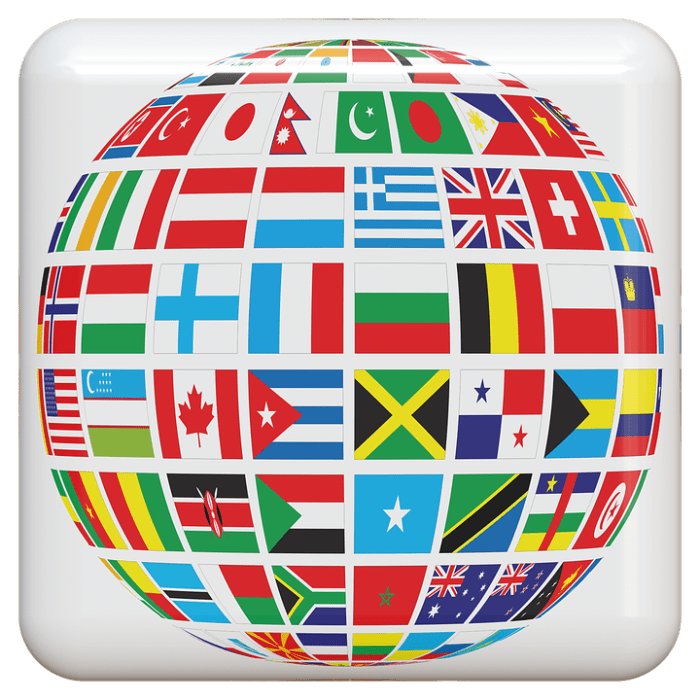
International Tutoring Services Transforming Education
International Tutoring Services are reshaping the educational landscape, connecting students across the globe with knowledgeable tutors who can cater to diverse learning needs. As the world becomes increasingly interconnected, the demand for personalized educational support that transcends borders continues to grow, highlighting the importance of these services in today’s learning environment.
With a wide range of subjects and levels available, international tutoring encompasses everything from language acquisition to advanced mathematics. The rise of online platforms has made it easier than ever to find qualified educators who can provide tailored support, enhancing both academic success and cultural exchange among students from various backgrounds.
Overview of International Tutoring Services
International tutoring services have emerged as a vital resource in the global education landscape, providing tailored learning experiences that transcend geographical boundaries. With increasing globalization, students from diverse backgrounds seek personalized academic support that caters to their unique educational needs. These services play a crucial role in bridging educational gaps, enhancing learning outcomes, and fostering cross-cultural understanding.The concept of international tutoring encompasses a wide range of subjects and educational levels, catering to students of various ages and academic requirements.
The offerings typically include core subjects such as mathematics, science, and languages, along with specialized subjects like art, music, and test preparation for standardized exams.
Types of Subjects and Levels Offered
Understanding the breadth of subjects and educational levels available through international tutoring services is essential for students and parents alike. The offerings can be categorized as follows:
- Core Academic Subjects: These include Mathematics, Science (Biology, Chemistry, Physics), and Language Arts (English, foreign languages).
- Standardized Test Preparation: Services often include preparation for tests such as the SAT, ACT, IELTS, TOEFL, and GRE.
- Advanced Placement and International Baccalaureate Courses: Tutors provide specialized support for AP and IB curricula, preparing students for higher education.
- Creative and Performing Arts: Tutoring in subjects such as music, art, and drama enriches students’ creative skills.
- Social Sciences: Subjects like History, Geography, and Economics are also commonly offered, providing students with a well-rounded education.
The demand for international tutoring services has surged in recent years, driven by several market trends.
Market Trends and Demand for International Tutoring Services
The rising need for international tutoring services is reflected in various statistics and trends within the educational sector. The following points highlight the current market dynamics:
- Global Market Growth: The global tutoring market was valued at approximately USD 100 billion in 2020 and is projected to grow at a CAGR of around 8% through 2026.
- Increased Competition: As more students seek assistance, the number of tutoring services has grown, leading to a competitive landscape that emphasizes quality and personalized service.
- Technological Advancements: The integration of digital platforms has enhanced accessibility, allowing tutors to connect with students from around the world more efficiently.
- Focus on Personalized Learning: A shift towards customized learning plans has emerged, catering to individual learning styles and paces, which enhances student engagement.
- Diverse Clientele: Families from various cultural backgrounds are increasingly seeking international tutoring, reflecting a growing emphasis on bilingual education and multicultural learning environments.
The international tutoring market is rapidly evolving, driven by globalization and technological innovation, making quality education accessible to students worldwide.
Benefits of International Tutoring Services

Source: publicdomainpictures.net
International tutoring services offer diverse advantages that extend beyond traditional educational methodologies. These services cater to students from various backgrounds, providing them with tailored learning experiences that resonate with their individual needs and cultural contexts. By harnessing the expertise of international tutors, students gain access to a wealth of knowledge and insights that enrich their educational journey.One of the standout benefits of international tutoring services is their supportive role in language learning and cultural exchange.
Students not only improve their academic skills but also develop language proficiency through immersive interaction with native speakers. This experience not only enhances communication skills but also promotes an appreciation for differing cultural perspectives.
Support for Language Learning and Cultural Exchange
The integration of language learning and cultural exchange within international tutoring services fosters a unique educational atmosphere. The following points illustrate the key aspects of this support:
- The opportunity for students to engage in conversations with tutors who are native speakers, allowing for authentic language practice.
- Access to a variety of learning materials and resources that reflect the cultural contexts of the language being studied.
- The ability to participate in cultural discussions, which enriches the learning experience and promotes global awareness.
- Personalized feedback that helps students refine their language skills in real-time, enhancing their confidence and fluency.
Comparison of Traditional Tutoring and International Tutoring Services
Understanding the differences between traditional tutoring and international tutoring services helps to highlight the specific advantages offered by the latter. The following table summarizes the key outcomes expected from each service:
| Criteria | Traditional Tutoring | International Tutoring Services |
|---|---|---|
| Global Perspective | Limited to local context | Broad international insights and diverse perspectives |
| Language Proficiency | Basic language skills | Advanced language immersion and fluency |
| Cultural Awareness | Minimal exposure to other cultures | In-depth cultural understanding through interaction |
| Learning Resources | Standardized materials | Diverse, culturally relevant materials |
| Feedback Mechanism | Generic feedback | Personalized, context-aware feedback |
The unique blend of language learning and cultural exchange in international tutoring services not only enhances academic performance but also prepares students for a globalized world.
Popular Platforms for International Tutoring
With the rise of digital learning, international tutoring has become more accessible and diverse, thanks to several leading online platforms. These platforms connect students and tutors from around the world, offering tailored educational support in various subjects and languages. Each platform comes with its own unique features and user experiences, creating a vibrant marketplace for online education.One of the key factors to consider when choosing an online tutoring platform is the variety of features and functionalities they provide.
Here’s a closer look at some of the most popular platforms in the international tutoring space:
Leading Online Tutoring Platforms, International Tutoring Services
The following platforms have gained significant recognition for their robust offerings and user-friendly interfaces:
- VIPKid: Specializes in teaching English to children in China. VIPKid boasts a fully immersive learning experience with live video classes and a structured curriculum designed by educators. User reviews often highlight the platform’s ease of use and the quality of instructors.
- iTalki: Focused on language learning, iTalki connects students with native speakers for one-on-one lessons. A standout feature is its flexible scheduling and a pay-per-lesson pricing model, which appeals to a broad audience looking for personalized language instruction.
- Chegg Tutors: Offers tutoring in a wide range of subjects, from math to science. Chegg is known for its affordability and the ability to connect with tutors instantly. Users appreciate the diverse tutor pool and the option for on-demand help.
- Khan Academy: While not a traditional tutoring platform, Khan Academy provides free resources and personalized learning dashboards. It’s highly regarded for its extensive library of instructional videos and practice exercises, making it a popular supplementary tool for students worldwide.
User reviews and ratings for these platforms provide valuable insights into their effectiveness and user satisfaction. For instance, VIPKid has received numerous accolades for its engaging content and professional tutors, often earning high ratings for the effectiveness of its lessons. In contrast, iTalki users frequently commend the platform for its diverse community of teachers and flexible learning options.
“Selecting the right platform can significantly enhance the learning experience, as each offers unique advantages tailored to different educational needs.”
When evaluating these platforms, consider not only the features but also the personal experiences of their users. Reviews commonly point to the importance of tutor qualifications, platform usability, and the availability of resources that can enhance the overall learning journey. These elements are crucial in determining the right fit for students seeking international tutoring.
Challenges in International Tutoring Services
International tutoring services present unique opportunities for learners and tutors, but they also come with their fair share of challenges. Navigating different cultural contexts, time zones, and communication styles can be daunting. Understanding these challenges is essential for creating effective learning experiences that are rewarding for both tutors and students. Logistical issues often arise in international tutoring, particularly with time zone differences and scheduling conflicts.
These challenges can disrupt the learning process and lead to frustration for both parties. For instance, a tutor based in New York working with a student in Singapore might find scheduling sessions difficult due to a significant time difference.
Time Zone Differences
Time zone differences can complicate the scheduling of tutoring sessions. With tutors and students often located in entirely different parts of the world, finding a suitable time can be challenging. This can sometimes lead to missed sessions or inconsistent attendance, which negatively impacts the learning experience. To address this issue, it is important to utilize technology effectively. Several online tools can assist in scheduling across different time zones, such as World Time Buddy or Google Calendar.
These tools allow both tutors and students to visualize their availability and make it easier to find a mutually agreeable time. Setting a regular schedule that accommodates both parties can also help reduce confusion and improve commitment.
Scheduling Conflicts
In addition to time zone differences, personal scheduling conflicts can hinder the effectiveness of international tutoring. Students may have other commitments such as school, work, or family responsibilities that can interfere with their ability to attend sessions regularly. Conversely, tutors may have limited availability due to their own commitments. To manage scheduling conflicts, clear communication is essential. Tutors and students should discuss their availability upfront and agree on a schedule that works for both.
Flexibility is key; if a session needs to be rescheduled, having a process in place for quickly finding an alternative time can keep the learning momentum going. It may also be beneficial to establish a set of backup times for sessions to ensure continuity in learning.
Effective communication and flexibility are vital for overcoming scheduling challenges in international tutoring.
Cultural Differences
Cultural differences can also pose challenges in international tutoring contexts. Variations in communication styles, educational expectations, and learning preferences can affect how lessons are conducted. For example, some cultures may emphasize rote learning, while others encourage critical thinking and discussion. This can create misunderstandings between tutors and students if not addressed.Tutors should take the time to learn about their students’ cultural backgrounds and adapt their teaching styles accordingly.
Incorporating culturally relevant examples and being sensitive to different communication styles can enhance the tutoring experience. Establishing a rapport and open lines of communication can help bridge cultural gaps and foster a more effective learning environment.
Technological Barriers
Technological issues can also impede the effectiveness of international tutoring services. Not all students may have access to reliable internet connections or the necessary devices for online learning. This can create disparities in the quality of tutoring sessions and affect student engagement.Tutors should be aware of the technological limitations their students may face and adapt their materials accordingly. For example, providing downloadable resources or offline materials can allow students to study effectively without needing constant internet access.
Additionally, ensuring that both parties are familiar with the technology used for tutoring can minimize technical difficulties during sessions.
Effective Strategies for International Tutors
In the ever-evolving landscape of education, international tutoring presents unique opportunities and challenges. Tutors working in diverse environments must adopt effective strategies to enhance the learning experience and foster a productive educational atmosphere. By implementing best practices and embracing innovative methodologies, tutors can significantly impact their students’ academic journeys.
Best Practices for International Tutors
Implementing effective strategies in international tutoring is crucial for student success. Here are key best practices that tutors should consider:
- Cultural Sensitivity: Understanding and respecting cultural differences fosters a supportive learning environment.
- Clear Communication: Use simple language and avoid idioms that may confuse students from different backgrounds.
- Personalized Learning: Tailor lessons to meet the individual needs and learning styles of each student.
- Continuous Feedback: Provide constructive feedback regularly to encourage improvement and build confidence.
- Encourage Interaction: Promote engagement through discussions and collaborative activities that allow students to share their perspectives.
Essential Skills and Qualifications for Tutors
A successful international tutor possesses a combination of skills and qualifications that enhance their effectiveness. Here’s a checklist to guide potential tutors in preparing for this field:
- Relevant Educational Background: A degree in education or a related field is often essential.
- Teaching Credentials: Certifications such as TESOL or TEFL can be advantageous.
- Language Proficiency: Fluency in English and the student’s native language can facilitate communication.
- Adaptability: The ability to adjust teaching methods to suit diverse learning environments is critical.
- Technological Proficiency: Familiarity with online teaching platforms and digital tools enhances the learning experience.
Innovative Teaching Methodologies
Integrating innovative teaching methodologies can enrich the educational experience for international students. The following approaches are particularly effective in this setting:
- Project-Based Learning: Encourages students to engage with real-world problems, fostering critical thinking and collaboration.
- Flipped Classroom: Students learn new content at home and apply knowledge in the classroom, promoting active learning.
- Gamification: Incorporating game elements into lessons can increase motivation and engagement.
- Collaborative Learning: Group work and peer-to-peer interactions help build a sense of community and enhance learning.
- Culturally Relevant Pedagogy: Incorporating students’ cultural backgrounds into lessons can make learning more relatable and engaging.
Effective strategies and innovative methodologies in international tutoring not only enhance learning outcomes but also promote a deeper understanding of diverse cultures.
Case Studies of Successful International Tutoring: International Tutoring Services
International tutoring has transformed the lives of many students across the globe, enabling them to achieve academic excellence and personal growth. By connecting learners with experienced tutors from diverse educational backgrounds, these services provide tailored support that addresses individual learning needs. Here, we explore real-life examples of students who have greatly benefitted from international tutoring, highlighting the significant impact it has had on their academic performance and overall development.One notable example is Maria, a high school student from Brazil, who struggled with her English language skills.
After enrolling in an international tutoring program, she was paired with a tutor from Canada who customized the lessons to focus on conversational skills and writing proficiency. Within six months, Maria not only improved her English grades from C to A but also gained the confidence to participate in class discussions and make friends with native English speakers.
Impact on Academic Performance and Personal Development
The benefits of international tutoring extend beyond mere academic achievement; they also foster crucial personal development skills. Many students report feeling more self-assured and capable when navigating their educational journeys. For instance, Jason, a college student from Nigeria, faced significant challenges in mathematics. After receiving tutoring support from an experienced tutor based in the UK, he saw remarkable improvement in both his grades and his ability to tackle complex problems independently.To illustrate the effectiveness of international tutoring, the following table presents the progress of three students before and after receiving personalized tutoring services:
| Student Name | Subject | Before Tutoring (Grade) | After Tutoring (Grade) | Personal Development Highlights |
|---|---|---|---|---|
| Maria | English | C | A | Gained confidence in speaking and writing; improved social interactions. |
| Jason | Mathematics | D | B+ | Developed problem-solving skills; enhanced analytical thinking. |
| Aiko | Science | B | A+ | Increased curiosity in STEM fields; improved critical thinking. |
These case studies reveal that international tutoring not only leads to substantial academic progress but also enhances essential life skills. By participating in structured and supportive learning environments, students are equipped to face their academic challenges with newfound resilience and motivation.
Future of International Tutoring Services

Source: townnews.com
The international tutoring industry is on the brink of significant transformation, influenced by various factors including technological advancements and evolving educational demands. As more students seek personalized and flexible learning options across borders, the future promises to be dynamic and full of potential. The role of technology in shaping international tutoring services cannot be understated. With the rapid evolution of online platforms, tools, and resources, tutors and students are increasingly leveraging these advancements to enhance learning experiences.
As we look forward, several trends and predictions emerge that will likely define the landscape of international tutoring.
Predicted Developments and Trends
Several anticipated trends and developments may shape the future of international tutoring services. Understanding these trends is crucial for both tutors and students aiming to stay ahead in this evolving educational environment.
- Increased Demand for Personalized Learning: Growth in awareness of personalized education will lead to more tailored approaches, where tutors customize their methods to fit individual learning styles and needs.
- Expansion of Online Platforms: Platforms like Zoom and Google Classroom will continue to evolve, offering better tools for interaction and collaboration, making remote learning more engaging and effective.
- Integration of Artificial Intelligence: AI-powered tools will assist tutors in developing customized lesson plans and assessments, streamlining the tutoring process for improved outcomes.
- Focus on Soft Skills Development: As educational institutions recognize the importance of soft skills such as critical thinking and communication, international tutoring services will incorporate these elements into their curricula.
- Global Networking Opportunities: Tutors will increasingly connect across borders, allowing them to share best practices and resources, and to collectively enhance the quality of education provided.
Role of Technology in Facilitating International Tutoring
The integration of technology is expected to play a pivotal role in facilitating international tutoring. Emerging technologies will redefine how tutoring is conducted, making it more accessible and effective. The following key areas highlight the impact of technology:
- Virtual Reality (VR) and Augmented Reality (AR): These technologies will create immersive learning environments, enabling students to engage in interactive experiences that enhance understanding and retention.
- Mobile Learning Applications: As smartphones become ubiquitous, mobile apps for tutoring will allow students to learn on-the-go, increasing flexibility and convenience.
- Data Analytics: Tutors will utilize data analytics to track student progress and adapt their teaching methods accordingly, leading to better educational outcomes.
- Blockchain for Credentialing: Blockchain technology may revolutionize how academic credentials are verified and shared, enhancing trust and transparency in international tutoring.
“Technology is not just a tool; it shapes the way we think and learn.”
Predictions for the Growth of International Tutoring Services
Based on current data and market trends, the international tutoring services sector is expected to witness substantial growth in the coming years. The following predictions illustrate this momentum:
- Market Expansion: The global online tutoring market is projected to reach USD 132.21 billion by 2026, driven by the increasing demand for personalized and flexible learning solutions.
- Rise of Subscription Models: More tutoring services will adopt subscription-based models, offering students unlimited access to resources and sessions, thus encouraging continuous learning.
- Increased Collaboration with Schools: Schools will increasingly partner with international tutoring services to supplement their curriculum, providing students with additional resources and learning opportunities.
- Greater Focus on STEM Education: As the demand for STEM professionals grows, tutoring services will expand offerings in these subjects, catering to students’ aspirations in technology and science fields.
Closure

Source: pixabay.com
In summary, International Tutoring Services not only facilitate academic improvement but also promote cross-cultural understanding and global collaboration. As we look to the future, the integration of technology and innovative teaching strategies will likely propel this industry to new heights, making quality education accessible to students worldwide.
Frequently Asked Questions
What subjects are available through international tutoring?
International tutoring covers a wide range of subjects, including languages, sciences, mathematics, and humanities.
How do international tutoring services handle different time zones?
Most platforms offer flexible scheduling options to accommodate the time differences between tutors and students.
Are international tutoring services more expensive than local ones?
Pricing varies widely; however, many international services can be competitively priced compared to local options.
Can I choose my own tutor in international tutoring services?
Yes, most platforms allow you to browse profiles and select a tutor based on your preferences and needs.
What qualifications should I look for in an international tutor?
Look for tutors with relevant degrees, teaching certifications, and experience in international education settings.