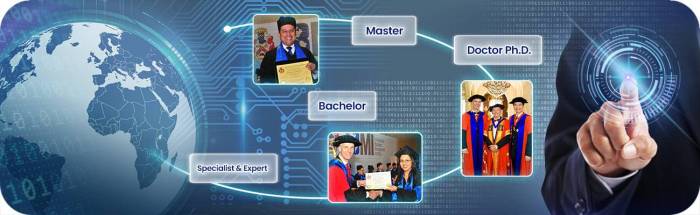
Distance Learning Degrees Unleashing Educational Freedom
Distance Learning Degrees are revolutionizing the way we perceive education, providing unparalleled access to learning opportunities for students around the globe. As technological advancements continue to reshape our world, distance education has evolved from simple correspondence courses to sophisticated online platforms, making higher education more accessible than ever. With a vast array of programs available across numerous disciplines, students can now pursue their academic goals from the comfort of their homes, breaking barriers that once hindered their educational pursuits.
This innovative approach to learning not only caters to diverse lifestyles but also offers opportunities for working professionals, parents, and anyone seeking to enhance their knowledge without the constraints of a traditional classroom setting. The evolution of distance learning degrees stands as a testament to our changing educational landscape, reflecting a commitment to inclusivity and adaptability in learning.
Overview of Distance Learning Degrees
Distance learning degrees represent an innovative approach to education, allowing learners to pursue academic qualifications without the need to attend physical classes. This mode of learning has evolved significantly over the years, from simple correspondence courses to complex online degree programs that utilize advanced technology. With the rise of the internet, distance learning has become more accessible and offers a flexible alternative for students seeking higher education while balancing other commitments.Historically, distance education can be traced back to the 18th century when printed materials were sent to learners through the mail.
The growth of educational radio and television in the 20th century further transformed this landscape, paving the way for the digital revolution. In the present digital age, distance learning degrees have gained immense popularity, driven by technological advancements and the increasing demand for flexible learning options. According to statistics, the global e-learning market is projected to reach over $375 billion by 2026, highlighting the significant shift towards online education.
Types of Distance Learning Degrees
Distance learning degrees are available in various disciplines, catering to diverse educational and professional needs. These programs can be broadly classified into several categories, reflecting the range of academic fields they encompass. The following are the primary types of distance learning degrees:
- Associate Degrees: These two-year programs are often designed for students aiming to enter the workforce quickly or transfer to a four-year institution. Popular fields include business administration and information technology.
- Bachelor’s Degrees: Typically requiring four years of study, these degrees cover a wide range of disciplines such as psychology, engineering, and the arts. They provide students with a comprehensive education and can lead to various career opportunities.
- Master’s Degrees: These advanced degrees focus on specialized knowledge in fields like education, healthcare, and business. Students often engage in research and projects that enhance their expertise and employability.
- Doctoral Degrees: Doctorates, including PhDs and professional doctorates, emphasize research and scholarship. They are suited for individuals looking to contribute original knowledge to their field or pursue academic careers.
- Certificates and Diplomas: Shorter programs designed to enhance specific skills or knowledge in a particular area, such as project management or digital marketing. They are beneficial for professional development or career advancement.
Distance learning degrees not only provide the flexibility of studying from anywhere but also allow learners to tailor their educational paths according to their career goals. This model has become increasingly relevant in a world where lifelong learning is essential for personal and professional growth.
Advantages of Distance Learning Degrees
Distance learning degrees have gained immense popularity, especially in recent years, due to their transformative impact on education. The flexibility and convenience they offer make them an attractive option for learners around the globe. As the landscape of higher education evolves, understanding the key benefits of distance learning can help prospective students make informed decisions about their educational journeys.One of the most significant advantages of distance learning degrees is the accessibility they provide.
Students can access high-quality education from prestigious institutions without the need to relocate or adhere to traditional classroom schedules. This flexibility allows individuals to balance their studies with personal and professional commitments, creating opportunities for those who may have otherwise been unable to pursue higher education.
Key Benefits of Distance Learning
The following points highlight the essential benefits of pursuing distance learning degrees, reflecting the experiences of learners who have successfully navigated this educational path:
- Flexibility in Scheduling: Distance learning programs allow students to set their own study schedules. This adaptability is particularly advantageous for working professionals, parents, or those with other responsibilities. Students can study at their convenience, often leading to better time management and academic performance.
- Wider Selection of Programs: Online platforms provide access to a diverse array of programs and courses that may not be available locally. Students can enroll in specialized fields or cutting-edge subjects, enhancing their educational experience.
- Cost-Effectiveness: Pursuing a distance learning degree can be more economical than traditional education. Students save on commuting, housing, and material costs, which can significantly reduce the overall financial burden associated with higher education.
- Personalized Learning Experience: Online education often facilitates a tailored learning experience. Students can progress at their own pace, revisit lectures, and utilize various multimedia resources that cater to different learning styles.
- Development of Technical Skills: Engaging in distance learning enhances students’ digital literacy and technical skills, which are increasingly vital in today’s job market. Familiarity with online collaboration tools and e-learning platforms prepares graduates for a technology-driven workplace.
“Distance learning opens doors to education that were previously locked, enabling anyone with internet access to pursue their academic aspirations.”
In addition to these benefits, numerous learners have shared their positive experiences with distance learning. For instance, Sarah, a single mother, completed her Bachelor’s degree in Business Administration while managing her family responsibilities. She appreciated the ability to study during her children’s nap times, which allowed her to achieve her educational goals without sacrificing family time. Similarly, Michael, a full-time employee, pursued a Master’s degree in Data Science and utilized evenings and weekends for coursework.
His success story illustrates how distance learning can empower individuals to advance their careers while maintaining their work commitments.Overall, the flexibility and accessibility of online education make it an appealing choice for those seeking to enhance their qualifications and broaden their horizons.
Challenges Faced in Distance Learning
Distance learning can be an incredibly rewarding experience, but it does come with its own set of challenges that students must navigate. From technical difficulties to issues of self-discipline, these obstacles can impact the learning journey. Understanding these challenges is crucial for anyone considering or currently pursuing a distance learning degree.One of the primary challenges students face in distance learning is the reliance on technology.
While online learning platforms provide the convenience of studying from anywhere, they also require a stable internet connection and access to necessary hardware, such as a computer or tablet. Issues such as slow internet speeds, computer malfunctions, and unfamiliarity with online tools can create significant roadblocks. Additionally, students need to be proactive in mastering various software applications and learning management systems that their courses may utilize.
Technological Requirements and Challenges
The technological landscape of distance learning can be daunting for many students. Aside from needing a reliable computer and internet connection, students often encounter various hurdles such as:
- Inconsistent Internet Access: Not all students have access to high-speed internet, which is crucial for smooth video streaming, downloading materials, and participating in live classes.
- Device Compatibility: Different courses may require specific software that may not be compatible with all devices, limiting accessibility for some students.
- Technical Support: Some students may struggle to find timely technical assistance when they encounter problems, leading to frustration and missed learning opportunities.
Addressing these challenges often requires students to be more adaptable and resourceful. Keeping a backup plan, such as having access to alternative locations with better internet connectivity or utilizing community resources like libraries, can help mitigate these issues.
Strategies for Self-Discipline and Time Management
Effective time management and self-discipline are crucial skills for distance learning success. Without the structured environment of a traditional classroom, students must create their own schedules and stay motivated. To enhance self-discipline, consider the following strategies:
- Create a Study Schedule: Developing a consistent timetable that allocates specific times for studying can help maintain focus and organization.
- Set Achievable Goals: Breaking down larger tasks into smaller, manageable goals can provide a sense of accomplishment and keep motivation high.
- Minimize Distractions: Identify potential distractions in your study environment and take steps to eliminate or reduce them, such as using noise-canceling headphones or setting boundaries with family members during study time.
Additionally, utilizing tools such as timers for focused study sessions and apps that track productivity can reinforce positive habits. Building a support network with fellow students can also encourage accountability and provide motivation through shared experiences.
Accreditation and Quality Assurance
Accreditation is a crucial factor for anyone considering a distance learning degree. It serves as a guarantee that the program meets certain educational standards and quality benchmarks. Understanding the significance of accreditation not only helps in choosing the right institution but also ensures that the degree holds value in the job market.Accreditation verifies that an educational institution or program meets established standards of quality in education.
This recognition can come from regional or national accrediting bodies, which evaluate the curriculum, faculty qualifications, student services, and overall institutional effectiveness. An accredited program not only enhances the credibility of the degree but also often ensures eligibility for federal financial aid and transfer credits.
Identifying Accredited Institutions and Programs
When searching for accredited distance learning programs, prospective students should take several steps to ensure they choose reputable institutions. The following methods can help in identifying accredited programs:
- Check Accrediting Agencies: Research recognized accrediting agencies, such as the Council for Higher Education Accreditation (CHEA) or the U.S. Department of Education, to verify the accreditation status of a program.
- Visit Institutional Websites: Most accredited institutions will prominently display their accreditation status on their website. Look for details on which agency accredited them and when.
- Consult Online Databases: Utilize online resources that list accredited institutions, such as the Database of Accredited Programs and Institutions provided by the Department of Education.
- Network with Alumni: Reach out to alumni from the program to gain insights into their experiences and the program’s recognition in the field.
Evaluating the Quality of Distance Learning Degrees
Assessing the quality of distance learning degrees involves looking beyond accreditation. Various factors contribute to the overall educational experience and the value of the degree. Here are key aspects to consider:
- Curriculum Relevance: Review the curriculum to ensure it covers current trends and skills demanded in the industry.
- Faculty Credentials: Investigate the qualifications of the faculty members. Experienced and knowledgeable instructors contribute significantly to the quality of education.
- Student Support Services: A robust support system, including academic advising, technical assistance, and career services, enhances the student experience and success rates.
- Graduation Rates: Examine the program’s graduation rates as a measure of student satisfaction and quality of education.
- Student Feedback: Look for reviews and testimonials from current students and alumni to gauge the overall satisfaction with the program.
Choosing an accredited institution with robust quality assurance measures not only impacts your educational experience but also enhances your career prospects long-term.
Learning Methods and Technologies

Source: buygenuinedegrees.com
Distance learning has evolved significantly with the integration of diverse learning methods and advanced technologies. This evolution has allowed students to engage with educational content in ways that were previously unimaginable, making education more accessible to many. With a combination of synchronous and asynchronous learning methods, distance education caters to different learning styles and preferences, enhancing the overall educational experience.
Learning Platforms and Technologies
A variety of learning platforms and technologies are utilized in distance education to facilitate interaction between students and instructors. These tools not only provide access to course materials but also foster community and collaboration. Here are some primary platforms and tools commonly used in distance learning:
- Learning Management Systems (LMS) such as Moodle, Canvas, and Blackboard allow instructors to create and manage course materials, track student progress, and facilitate communication.
- Video conferencing tools like Zoom and Microsoft Teams enable real-time interaction, offering a virtual classroom experience where students can attend lectures and participate in discussions.
- Discussion forums and chat applications encourage peer-to-peer engagement and interaction outside of scheduled classes.
- Online assessment tools assist educators in evaluating student performance through quizzes and exams, often with instant feedback.
Comparison of Popular Online Learning Tools
To better understand the various tools available in the distance learning landscape, a comparison of popular online learning tools provides valuable insights into their features and usability.
| Tool | Type | Key Features | Best For |
|---|---|---|---|
| Moodle | LMS | Customizable, course tracking, community forums | Higher education institutions |
| Zoom | Video Conferencing | Screen sharing, breakout rooms, virtual background | Live interactive classes |
| Canvas | LMS | Mobile-friendly, multimedia integration, easy navigation | K-12 and higher education |
| Google Classroom | Collaborative Learning | Integration with Google Workspace, assignment management | Small classes and informal learning environments |
Role of Multimedia Resources in Distance Learning
Multimedia resources play a crucial role in enriching the distance learning experience. By incorporating various formats such as videos, podcasts, infographics, and interactive simulations, educators can cater to different learning preferences and enhance engagement.
“Multimedia resources make learning more dynamic, helping to clarify complex concepts and maintain student interest.”
These resources allow for a multisensory learning experience, which is essential for retaining information and improving understanding. For instance, video lectures can break down complicated theories through visual examples, while infographics can summarize key points efficiently. Interactive elements such as quizzes and games also help reinforce learning by providing instant feedback in an engaging format, ensuring that students remain actively involved in their education.
Career Opportunities and Outcomes
Distance learning degrees have opened the door to a wide array of career opportunities for graduates in various fields. As education continues to evolve, employers increasingly recognize the value of flexibility in learning, which distance learning provides. This mode of study allows individuals to balance work, life commitments, and education, leading to enriching career trajectories.The impact of distance learning qualifications on employability cannot be overstated.
Graduates often find themselves equipped with not only theoretical knowledge but also practical skills that are highly valued in the job market. Employers appreciate the self-discipline and time management skills that distance learners typically exhibit. According to a study by the Online Learning Consortium, nearly 72% of employers believe that online learning is as credible as traditional learning, demonstrating a shift in perceptions about remote education.
Potential Career Paths for Graduates
Graduates of distance learning programs can pursue various career paths, tailored to their areas of study. The following list highlights some common fields and roles associated with distance learning qualifications:
- Information Technology: Positions such as software developer, network administrator, or cybersecurity analyst are popular among graduates with degrees in IT or computer science.
- Business Management: Graduates can work as project managers, marketing specialists, or human resources managers, leveraging their skills in strategic planning and organizational behavior.
- Healthcare: Distance learning degrees in healthcare can lead to roles such as health informatics specialists or telehealth coordinators, especially in an age where remote health services are on the rise.
- Education: Many graduates transition into teaching roles, e-learning facilitators, or educational coordinators, taking advantage of their knowledge in distance education methodologies.
- Engineering: Graduates can specialize in various engineering domains, such as civil, mechanical, or electrical engineering, depending on their specific qualifications.
The adaptability of skills learned through distance education ensures that graduates remain competitive across multiple sectors. Organizations are increasingly looking for candidates who can work independently and adapt to new technologies, qualities that distance learning cultivates.
“Employers are looking for candidates who can demonstrate self-motivation and the ability to manage time effectively.”
Statistics have shown that distance learning graduates often have favorable outcomes in the job market. For instance, a report from the National Center for Education Statistics indicates that around 90% of graduates from online degree programs find jobs within a year of graduation. Furthermore, case studies from institutions like Western Governors University show that their graduates frequently report higher income levels and job satisfaction compared to their peers with traditional degrees.In conclusion, the potential career opportunities for distance learning graduates are vast and varied, with many entering successful, fulfilling roles across multiple industries.
The qualifications earned through distance learning are increasingly recognized and valued by employers, contributing to a more favorable job market for these graduates.
Future Trends in Distance Learning
The landscape of distance learning is evolving rapidly, with new trends shaping how education is delivered and experienced. As technology advances and learner needs change, it’s essential to explore these emerging trends and their implications for students pursuing online degrees. By understanding the future of distance education, learners can better prepare for the opportunities and challenges that lie ahead.One significant trend is the integration of advanced technologies like artificial intelligence (AI) and machine learning into online learning environments.
These technologies are transforming how personalized education is delivered, enhancing the learner experience, and improving outcomes.
Impact of Artificial Intelligence and Machine Learning on Online Learning
The adoption of AI and machine learning in distance education is creating a more personalized learning experience. By analyzing learner data, AI systems can identify individual strengths and weaknesses, allowing for tailored course materials and assessments. This approach not only helps students grasp complex topics more effectively but also fosters greater engagement.Key aspects of AI and machine learning in distance learning include:
- Adaptive Learning: Courses are increasingly utilizing algorithms to adjust content based on learner performance, ensuring that students receive support where they need it most.
- Predictive Analytics: Institutions can leverage data to predict student success and retention, allowing for timely interventions when a student is struggling.
- Chatbots and Virtual Assistants: These tools provide students with 24/7 access to support, answering common questions and guiding them through the learning process.
- Content Creation: AI can assist educators in developing customized learning materials, which can be particularly beneficial for niche subjects or specialized fields.
Forecasts for the Evolution of Distance Learning Degrees Over the Next Decade
The next decade promises significant advancements in distance learning degrees, driven by technological innovation and changing workforce demands. As remote work becomes more commonplace, the importance of flexible, accessible education will only increase.Several predictions for the future of distance learning include:
- Increased Collaboration: Institutions will likely form partnerships with industries to create programs that directly address the skills gaps in the job market, resulting in more relevant course offerings.
- Microcredentials: Short, focused courses will gain popularity, allowing learners to acquire specific skills without committing to a full degree program.
- Immersive Technologies: Virtual reality (VR) and augmented reality (AR) will enhance the learning experience by providing interactive simulations and real-world applications of theoretical concepts.
- Global Learning Communities: As distance learning becomes more mainstream, students from various backgrounds and locations will collaborate in diverse online environments, promoting cross-cultural understanding and teamwork.
In this evolving landscape, the combination of technological advancements and learner-centric approaches is set to redefine the distance learning experience, making it more engaging, effective, and aligned with modern job market requirements. Institutions and learners alike must stay abreast of these trends to maximize the potential of distance learning degrees in the future.
Resources for Distance Learning Students

Source: studential.com
Distance learning offers flexibility and convenience, making it an attractive option for many students. However, to maximize the benefits of online education, it is essential to utilize the right resources and support services. Below are key resources that can enhance the learning experience and facilitate success in distance learning programs.
Useful Resources and Support Services
A variety of resources exist to support distance learners throughout their academic journey. These resources include academic assistance, mental health support, and technical help. Access to these resources can significantly improve the learning experience and help students overcome challenges.
- Academic Tutoring Services: Many institutions provide online tutoring services that assist students in understanding course materials and completing assignments.
- Library Access: Distance learners often have access to digital libraries, databases, and research resources that are essential for academic success.
- Technical Support: Support teams are available to help students with technical issues related to online platforms, software, and hardware.
- Mental Health Resources: Counseling services are often available to help students manage stress and maintain mental well-being during their studies.
- Career Services: Many universities offer career counseling, job placement services, and resume-building workshops specifically aimed at distance learners.
Creating an Effective Study Environment
Establishing a conducive study environment at home is crucial for distance learners to remain focused and productive. An organized and distraction-free workspace can enhance learning and improve retention of information.
- Designate a Specific Study Area: Choose a quiet and comfortable spot in your home dedicated to studying, free from distractions.
- Keep Supplies Organized: Have all necessary materials, including textbooks, stationery, and technology, within easy reach to minimize disruptions.
- Set Regular Study Hours: Create a schedule to maintain a routine, helping you balance study time with personal life.
- Minimize Distractions: Limit interruptions from devices and social media by using apps that block distractions during study sessions.
- Ensure Good Lighting: A well-lit area can help reduce eye strain and keep you alert while studying.
Networking and Connecting with Peers
Building connections with peers in online programs is essential for creating a sense of community and shared learning experiences. Networking can lead to collaborative opportunities and support systems that can enhance the educational journey.
- Online Discussion Forums: Participate actively in class forums or discussion boards to engage with fellow students and share insights.
- Social Media Groups: Join relevant groups on platforms like Facebook or LinkedIn to connect with classmates and alumni from your program.
- Virtual Study Groups: Organize or join online study groups to collaborate on assignments and share resources.
- Networking Events: Attend virtual events or webinars hosted by your institution or industry professionals to meet other learners and experts.
- Peer Mentorship Programs: Seek out or create mentorship opportunities where experienced students can guide newer ones through the challenges of online learning.
Conclusive Thoughts: Distance Learning Degrees

Source: bircham.edu
In summary, Distance Learning Degrees are not just a response to modern educational needs but a transformative movement that empowers learners to take charge of their education. As we look to the future, the landscape of distance education will continue to evolve, driven by advancements in technology and a growing recognition of its value in today’s society. Whether you are contemplating this educational path or are already on your journey, the possibilities are limitless, paving the way for a more inclusive and flexible learning experience.
Questions Often Asked
What are the main advantages of pursuing a distance learning degree?
The main advantages include flexibility in scheduling, the ability to study from anywhere, and often lower costs compared to traditional programs.
Are distance learning degrees recognized by employers?
Yes, as long as the program is accredited, distance learning degrees are generally recognized by employers.
How can I stay motivated while studying online?
Setting clear goals, creating a structured study schedule, and engaging with peers can help maintain motivation.
What technology do I need for distance learning?
Basic technology requirements typically include a computer, reliable internet access, and any specific software recommended by your program.
Can I interact with instructors and classmates in online courses?
Yes, many online programs incorporate discussion forums, video conferencing, and other interactive tools to facilitate communication.