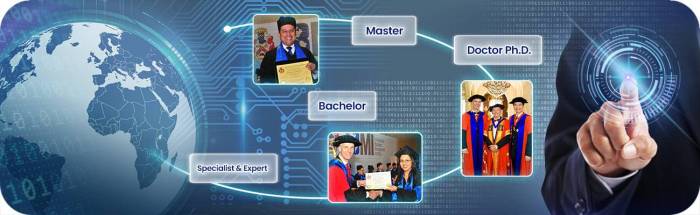
Remote University Programs Unlocking Flexible Learning
Remote University Programs sets the stage for this enthralling narrative, offering readers a glimpse into a story that is rich in detail and brimming with originality from the outset. These programs have revolutionized the landscape of education, providing students with the unique opportunity to learn from anywhere in the world while accessing diverse courses and expert faculty. The shift towards remote learning has seen an impressive surge, making education more accessible to a broader audience than ever before.
As institutions adapt to this new normal, key features distinguish remote programs from traditional ones, including flexible schedules and innovative assessment methods, which cater to the needs of modern learners.
Overview of Remote University Programs

Source: socialsciencespace.com
Remote university programs, often referred to as online education or distance learning, allow students to pursue their academic goals from anywhere in the world without the need to attend physical classes. These programs have gained significant traction over the past decade, largely due to advancements in technology and the increasing demand for flexible learning options that cater to diverse lifestyles and commitments.The growth of remote learning initiatives can be observed through various trends in education, including the rise of Massive Open Online Courses (MOOCs) and a surge in institutions offering fully online degrees.
The COVID-19 pandemic accelerated this trend, as many educational institutions quickly adapted to online platforms, highlighting the feasibility and effectiveness of remote learning. With more universities joining the online space, students now have access to a wider array of courses and degrees than ever before.
Key Features of Remote Programs
Remote university programs possess distinct characteristics that set them apart from traditional on-campus education. These features enhance the learning experience and cater to the needs of a broad audience. One of the fundamental differences is the flexibility in scheduling. Students can often choose when to log in for lectures or complete assignments, which is particularly beneficial for those balancing work, family, or other commitments.
Additionally, the range of interactive tools utilized in remote learning, such as video conferencing, discussion forums, and collaborative projects, creates a dynamic educational environment.The following are key features that differentiate remote programs from traditional ones:
- Access to Diverse Resources: Online learning platforms often provide a wealth of digital resources, such as e-books, scholarly articles, and educational videos, all of which are easily accessible at any time.
- Global Learning Community: Students can connect with peers and instructors from around the world, fostering a rich exchange of ideas and perspectives.
- Self-Paced Learning: Many programs allow students to progress through course materials at their own pace, accommodating varying learning styles and speeds.
- Cost-Effectiveness: Remote programs typically have lower tuition fees and eliminate commuting and housing costs, making higher education more financially accessible.
- Technology Integration: The use of advanced technologies enhances the learning experience, including tools for simulations, virtual labs, and interactive assessments.
These features contribute to the appeal of remote university programs, making them a viable option for anyone looking to further their education while maintaining flexibility in their lives.
“The future of education lies in its accessibility and adaptability, driven by technological advancements.”
Advantages of Enrolling in Remote University Programs
Remote university programs offer a multitude of benefits that enhance the educational experience. These advantages are particularly significant in today’s fast-paced world, where traditional learning environments may not cater to the diverse needs of students. By embracing remote education, learners can not only gain knowledge but also enjoy a more tailored and efficient academic journey.
Flexibility in Learning Schedules
One of the most appealing aspects of remote university programs is the flexibility they provide. Students can create a study schedule that aligns with their personal and professional commitments. This flexibility allows learners to balance their education with work, family, or other obligations, leading to a more manageable and less stressful academic experience.
- Personalized Pace: Students can progress through courses at their own speed, allowing for deeper comprehension of complex subjects.
- Time Management: The ability to choose when and where to study helps in developing essential time management skills.
- Convenient Access: Learning materials are often available 24/7, enabling students to study at their convenience, whether it’s early morning or late at night.
Reduction of Commuting Costs and Time
Remote university programs effectively eliminate the need for daily commutes, which can be both time-consuming and costly. The advantages of this reduction extend far beyond mere convenience; they contribute to a more efficient learning process.
“By removing the commute, students can devote their time to studies, personal development, or leisure activities.”
- Cost Savings: Students save money on transportation, parking, and associated expenses, which can accumulate significantly over time.
- Time Efficiency: The hours previously spent commuting can be redirected towards coursework, enhancing the overall educational experience.
- Environmental Impact: Reduced commuting contributes to lower carbon footprints, promoting a more sustainable lifestyle.
Accessibility of Diverse Courses and Global Faculty, Remote University Programs
Remote university programs open the door to a vast array of courses and world-class educators that may not be available locally. This accessibility enriches the learning experience and broadens students’ perspectives.
“The global reach of remote education links students with diverse cultures and knowledge systems.”
- Diverse Course Offerings: Students can explore subjects from various disciplines and even niche topics that may not be offered at local institutions.
- Expert Faculty: Access to a global pool of educators enables students to learn from industry leaders and renowned scholars.
- Cultural Enrichment: Interacting with peers from different backgrounds fosters cross-cultural understanding and collaboration.
Challenges Faced by Remote Learners: Remote University Programs
Remote learning offers flexibility and convenience, but it also presents unique challenges that can hinder students’ academic success. Understanding these obstacles is crucial for both learners and educators to create a more supportive and effective remote learning environment.
Common Obstacles Encountered by Students
Remote learners often face various challenges that can impact their educational experience. Key issues include:
- Time Management: Balancing coursework with personal responsibilities can be difficult, leading to procrastination and missed deadlines.
- Learning Environment: Not all students have a conducive space for studying at home, which can distract them from their studies.
- Limited Interaction: Remote programs may offer fewer opportunities for face-to-face interaction with peers and instructors, which can hinder collaboration and networking.
Impact of Isolation on Student Engagement and Motivation
The sense of isolation in remote learning can significantly affect students’ engagement levels and motivation. Many students miss the social interactions that come with traditional learning environments, which can lead to feelings of loneliness and disconnection. These feelings can result in:
- Decreased Participation: Lack of social interaction may cause students to disengage from discussions and group work.
- Reduced Motivation: Without peer support and encouragement, students might struggle to stay motivated throughout their courses.
- Increased Stress: The absence of a social network can lead to higher levels of stress and anxiety, impacting overall well-being.
Technological Issues and Access Barriers
Technological challenges are a significant barrier for many remote learners. Issues like unreliable internet connections or inadequate hardware can greatly affect the learning experience. Important considerations include:
- Access to Devices: Not all students have access to computers or tablets that are essential for completing coursework and participating in virtual classes.
- Internet Connectivity: A stable internet connection is crucial for online learning, yet many students in rural or underserved areas face connectivity issues.
- Technical Skills: Additionally, students may lack the necessary technical skills to navigate online platforms effectively, further complicating their learning process.
“The quality of a student’s learning experience can often depend on their access to technology and the degree of support they receive.”
Best Practices for Success in Remote University Programs

Source: shortpixel.ai
Enrolling in remote university programs can be a rewarding but challenging experience. To thrive in this environment, students must adopt effective strategies that enhance their learning experience. This section Artikels essential best practices that can help remote learners achieve academic success while maintaining a balanced lifestyle.
Effective Time Management Strategies
Time management is critical for remote learners, who often juggle multiple responsibilities. Establishing a structured routine can help students stay organized and focused. Here are some effective strategies:
- Create a Daily Schedule: Artikel specific study times each day, incorporating breaks to avoid burnout.
- Set Priorities: List tasks by urgency and importance, focusing on high-priority assignments first.
- Use Time-Blocking: Allocate dedicated blocks of time for studying, attending virtual classes, and completing assignments.
- Limit Distractions: Identify distractions in your environment and minimize them during study time to enhance concentration.
- Utilize Digital Tools: Leverage apps and tools like calendars, task managers, and reminders to keep track of deadlines and tasks.
Importance of a Conducive Learning Environment
Creating a suitable learning environment is crucial for remote students. A dedicated study space can significantly improve focus and productivity. Consider the following aspects when setting up your learning area:
- Choose a Quiet Space: Find a location that minimizes noise and interruptions, allowing for better concentration.
- Ergonomic Setup: Invest in a comfortable chair and desk to promote good posture and reduce physical strain during long study sessions.
- Personalize Your Space: Add motivational elements, such as inspirational quotes or images, to create a positive atmosphere.
- Ensure Good Lighting: Utilize natural light or proper lighting to prevent eye strain and create an inviting workspace.
- Keep Supplies Handy: Organize books, stationery, and other materials within reach to minimize disruptions when studying.
Maintaining Communication with Instructors and Peers
Effective communication is vital in a remote learning environment. Staying connected with instructors and peers can enhance collaboration and support. Here are tips for maintaining these connections:
- Utilize Communication Platforms: Engage with classmates and instructors through messaging apps or online forums designated for course discussions.
- Participate Actively: Contribute to discussions in virtual classrooms and online study groups to foster relationships and deepen understanding.
- Schedule Regular Check-Ins: Reach out to instructors for feedback on assignments and seek clarification on course material when needed.
- Form Study Groups: Collaborate with peers to discuss challenging topics, share resources, and motivate each other.
- Embrace Virtual Networking: Attend online workshops, webinars, or networking events related to your field of study to expand your professional connections.
Assessment Methods in Remote University Programs

Source: bau.edu
The evaluation of student performance in remote university programs employs a variety of innovative assessment techniques that align with the unique challenges of online learning environments. As traditional educational methods are transformed by technology, remote assessments have become essential in measuring learning outcomes effectively and fairly.
Assessment Techniques in Remote Learning
Different assessment techniques are utilized in remote learning to ensure that students are evaluated comprehensively. These methods often blend synchronous and asynchronous approaches to accommodate various learning styles and schedules. Common assessment techniques include:
- Quizzes and Tests: Online quizzes and tests provide immediate feedback and can be administered at any time, allowing students to demonstrate their knowledge on a flexible schedule.
- Assignments and Projects: Written assignments and collaborative projects encourage deeper engagement with the content and often require critical thinking and application of knowledge.
- Participation and Discussion Boards: Participation in online discussions and forums is assessed to gauge student engagement and understanding of course material.
- Peer Assessment: Students review and provide feedback on each other’s work, promoting collaborative learning and critical evaluation skills.
- Portfolios: A collection of a student’s work over the course, showcasing learning progress and achievements, is used for comprehensive assessment.
Comparison of Traditional Assessments with Online Evaluations
The landscape of assessments has evolved significantly, with online evaluations offering distinct advantages over traditional methods. Traditional assessments often rely on in-person examinations, which can limit flexibility and access for students. In contrast, online evaluations enable a more personalized and efficient assessment experience.Some key differences include:
| Aspect | Traditional Assessments | Online Evaluations |
|---|---|---|
| Accessibility | Limited to physical locations and set times | Accessible from anywhere at any time |
| Feedback Speed | Delayed feedback due to manual grading | Immediate feedback through automated systems |
| Resource Utilization | Primarily paper-based, leading to resource waste | Utilizes digital platforms, minimizing waste |
| Engagement Level | Passive learning environment | Interactive and engaging, encouraging participation |
Role of Technology in Facilitating Assessments
Technology plays a pivotal role in enhancing the assessment process within remote university programs. Various tools and platforms facilitate seamless evaluations, ensuring that instructors can administer, grade, and provide feedback efficiently.Some significant contributions of technology include:
- Learning Management Systems (LMS): Platforms such as Moodle and Canvas centralize course materials and assessments, allowing for streamlined tracking of student performance.
- Assessment Software: Tools like Turnitin and Google Forms enable effective testing and plagiarism detection, ensuring academic integrity.
- Video Conferencing Tools: Applications like Zoom and Microsoft Teams allow for live assessments and oral examinations, replicating traditional face-to-face interactions.
- Data Analytics: Technology enables educators to analyze student performance data to identify trends, tailor instruction, and improve assessment strategies.
“Effective assessment in remote learning is not merely about testing knowledge but understanding how technology can enhance the learning experience.”
Future Trends in Remote University Programs
The landscape of remote university programs is continually evolving, driven by technological advancements and shifting educational needs. As we look ahead, several trends are poised to redefine how education is delivered and experienced. This segment explores the emerging technologies, the potential rise of hybrid learning models, and the growing emphasis on lifelong learning through remote programs.
Emerging Technologies Reshaping Remote Education
A variety of innovative technologies are set to transform remote education, enhancing accessibility and interactivity for learners. Notable examples include:
- Artificial Intelligence (AI): AI can personalize the learning experience by adapting course materials to fit individual student needs, providing tailored feedback, and automating administrative tasks.
- Virtual Reality (VR) and Augmented Reality (AR): These technologies can create immersive learning environments, allowing students to engage with complex subjects in a more hands-on manner. For instance, medical students can practice surgeries in a simulated environment.
- Blockchain Technology: This offers secure ways to store and share academic credentials, ensuring transparency and trust in the verification of qualifications.
Hybrid Learning Models
The potential for hybrid learning models that combine remote and in-person elements is becoming increasingly recognized. These models aim to merge the flexibility of online education with the benefits of face-to-face interaction. Such approaches can result in enriched learning experiences by allowing:
- Blended Classrooms: Courses may feature online lectures complemented by in-person workshops, enabling deeper engagement with the material and collaboration among peers.
- Flexible Scheduling: Students can choose when to attend in-person sessions, accommodating various lifestyles and responsibilities.
- Enhanced Networking Opportunities: In-person components facilitate stronger relationships between students and instructors, fostering mentorship and collaboration that may be less effective in a fully remote setting.
Growing Demand for Lifelong Learning
With the rapid pace of technological and economic changes, there is a notable increase in the demand for lifelong learning through remote programs. This trend reflects the need for individuals to continuously upgrade their skills and knowledge to remain competitive in the job market. Important aspects include:
- Professional Development: Many professionals are turning to remote programs for upskilling or reskilling, often focusing on specific competencies that align with industry needs.
- Accessible Learning Paths: Remote education allows learners of all ages to access courses that fit their unique career trajectories without the constraints of traditional education timelines.
- Micro-Credentials and Digital Badges: These provide a way for learners to demonstrate their skills and achievements in specific areas, enhancing their employability in an evolving job landscape.
“The future of education lies in flexibility, accessibility, and a lifelong commitment to learning.”
Real-life Examples of Successful Remote University Programs
The shift toward remote education has yielded remarkable success stories from various institutions around the world. These programs have not only adapted to the challenges posed by distance learning but have also excelled in providing quality education to students. Below are examples of institutions that have made a significant impact in remote education through innovative practices and positive student outcomes.
Case Studies of Institutions
Several universities have embraced remote learning and produced impressive results.
- University of Massachusetts Amherst: UMass Amherst has developed a robust online program that offers bachelor’s degrees in various fields. Their use of asynchronous courses allows students to learn at their own pace while having access to extensive resources and support services.
- Arizona State University: ASU is known for its extensive online offerings, enrolling over 50,000 students in online programs. They employ advanced technology and personalized support to enhance student engagement and retention.
- Open University (UK): This institution specializes in distance learning, providing flexible study options that cater to adults. Their model promotes lifelong learning and has allowed thousands to gain qualifications while balancing work and family commitments.
Student Testimonials
Hearing from students who have thrived in remote programs offers insight into the effectiveness of these educational models.
-
“Studying online at the University of Massachusetts has been empowering. I can manage my time effectively and still engage deeply with the course material.”
-Sarah T., UMass Amherst Graduate -
“Arizona State’s support system has been phenomenal. From online tutoring to advising, I felt connected and supported throughout my studies.”
-Michael R., ASU Graduate -
“The flexibility of the Open University allowed me to continue working while studying for my degree. It’s been a life-changing experience.”
-Emma L., Open University Graduate
Innovative Approaches to Enhance Remote Learning
Educational institutions have implemented various innovative strategies to create engaging and effective remote learning environments.
- Interactive Learning Platforms: Many universities use platforms like Canvas or Moodle that facilitate a dynamic learning experience with features such as discussion forums, multimedia content, and real-time feedback.
- Virtual Reality (VR) and Augmented Reality (AR): Some institutions have begun to incorporate VR and AR into their curricula, providing immersive experiences that enhance understanding of complex subjects, particularly in disciplines like medicine and engineering.
- Collaborative Projects: Programs encourage team-based projects that utilize digital tools, allowing students to work together in real-time, fostering collaboration and communication skills essential for the modern workforce.
Resources for Prospective Remote Learners
For individuals considering enrollment in remote university programs, having access to reliable resources is crucial. The right tools and platforms can enhance the learning experience and provide necessary support throughout the educational journey. Below, you will find a compilation of valuable websites, tips for assessing program credibility, and information on financial aid options available for remote learners.
Websites and Platforms Offering Remote University Programs
Identifying trustworthy platforms that offer remote university programs is essential for prospective students. Below is a list of notable websites that facilitate online education:
- Coursera: Collaborates with universities to provide a wide range of courses and degree programs in various fields.
- edX: Offers online courses from prestigious institutions, including degree programs and professional certificates.
- Udacity: Focuses on tech-related courses and nanodegrees, often in partnership with industry leaders.
- FutureLearn: Features courses from universities around the globe, offering both free and paid options.
- University Websites: Many universities, such as MIT and Stanford, offer their own online courses and degrees directly through their official sites.
Evaluating the Credibility of Online Programs
Assessing the credibility of an online program is vital to ensuring a quality education. Consider the following factors when evaluating a program:
- Accreditation: Ensure the program is accredited by a recognized accrediting body, which guarantees the quality of education.
- Faculty Qualifications: Research the credentials and experience of the faculty members involved in the program.
- Student Reviews: Look for testimonials or reviews from current and former students to gauge their experiences.
- Career Services: Check if the program offers career support and job placement assistance for graduates.
- Alumni Success: Investigate the accomplishments of alumni to understand the program’s impact on their careers.
Financial Aid Options for Remote Learners
Understanding financial aid options can ease the burden of tuition costs for remote learners. Various resources are available for those seeking financial assistance:
- Federal Financial Aid: Students can apply for federal loans and grants through the Free Application for Federal Student Aid (FAFSA).
- Scholarships: Many organizations and institutions offer scholarships specifically for online learners; researching these can yield significant savings.
- Employer Tuition Assistance: Some employers provide financial support for employees pursuing education; check with your employer regarding available programs.
- State Grants: Many states offer financial aid programs for residents enrolled in online courses; these programs often have specific eligibility requirements.
- Payment Plans: Some institutions provide flexible payment plans that allow students to divide tuition payments into manageable amounts.
Last Recap
In conclusion, Remote University Programs represent an exciting evolution in education, combining flexibility and accessibility to create a dynamic learning environment. By embracing technology and innovative teaching methods, these programs not only address the challenges of remote learning but also pave the way for the future of education. With lifelong learning becoming increasingly vital, the potential for growth and success in remote university programs is truly limitless.
Question Bank
What are Remote University Programs?
Remote University Programs are online educational offerings that allow students to complete their degrees or courses from anywhere, typically via the internet.
How do I choose the right Remote University Program?
Consider factors such as accreditation, course offerings, faculty qualifications, and student support services when selecting a program.
Can I receive financial aid for Remote University Programs?
Yes, many remote programs offer financial aid options, including scholarships, grants, and loans for eligible students.
Are Remote University Programs recognized by employers?
Yes, most accredited remote programs are recognized by employers, especially those that maintain high academic standards and provide quality education.
How can I stay motivated while studying remotely?
Set specific goals, create a dedicated study space, and maintain regular communication with peers and instructors to stay engaged and motivated.